FACTS
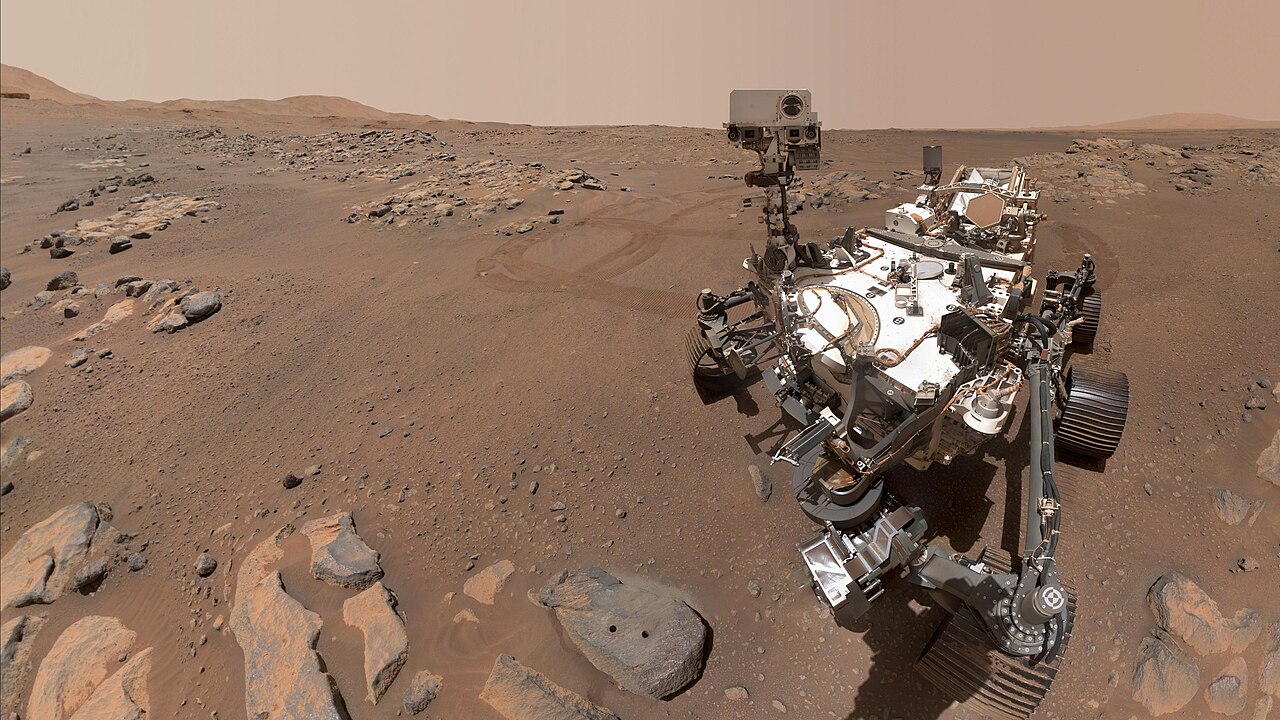
NASA said Thursday, Nov. 19, that science work on its Perseverance rover on Mars is temporarily paused while engineers investigate problems with both of the rover’s UHF radios. The agency also said its Mars Odyssey orbiter has its science instruments offline after one of its reaction wheels stopped spinning, according to a NASA update. NASA said both teams hope to resume work by the end of November.
What happened to the Perseverance rover
Perseverance uses two UHF radios to send large amounts of data to orbiters that relay it to Earth. On Oct. 30, the primary radio did not send the usual series of “heartbeats” to the rover’s main computer, NASA said.
“The rover’s main computer continually listens for that ping,” said Steven Lee, Perseverance project manager at NASA’s Jet Propulsion Laboratory in Southern California. “Every time it hears the ping, it resets a counter.”
After 25 missed heartbeats, about 100 seconds of silence, the rover’s fault protection switched to the backup radio and put Perseverance in safe mode, according to NASA. Engineers then found the backup radio was “transmitting at about half of its expected power output.” The team has stopped using both radios until it can judge whether one or both are safe to use.
For now, the rover is talking directly to Earth over its X-band high-gain antenna through NASA’s Deep Space Network, at “a significantly lower data rate,” NASA said. Because the rover is not taking new pictures, the public stream of raw images from Perseverance has stopped. NASA said the rover is stable and in contact with its team, and that engineers are studying the backup radio first.
Mars Odyssey’s reaction wheel
Odyssey went into safe mode from Nov. 4 to Nov. 6 after one of its reaction wheels, which help point the spacecraft, stopped spinning, NASA said. The orbiter has four reaction wheels, one of which failed in 2013, and it needs at least three to operate normally.
Without three working wheels, Odyssey has to rely on its hydrazine thrusters. NASA said the team estimates it has enough hydrazine for “one to two months” of operating that way. In one test, the stopped wheel moved when commanded, and the team hopes to return Odyssey to science and relay work in the last week of November.
Odyssey also relays data from the Martian surface to Earth as part of NASA’s Mars Relay Network. NASA called that service “an essential part” of the network.
A long-running orbiter
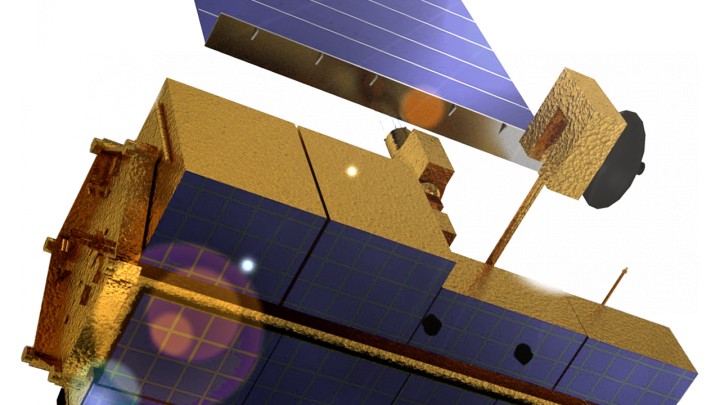
Odyssey launched in April 2001 and reached Mars orbit that October, according to NASA. It has operated longer than any other Mars mission, though it was designed to last just over two and a half years. JPL leads the mission, and Lockheed Martin built and operates the spacecraft.
More space and science news is on the Stay Current News Science page.