FACTS
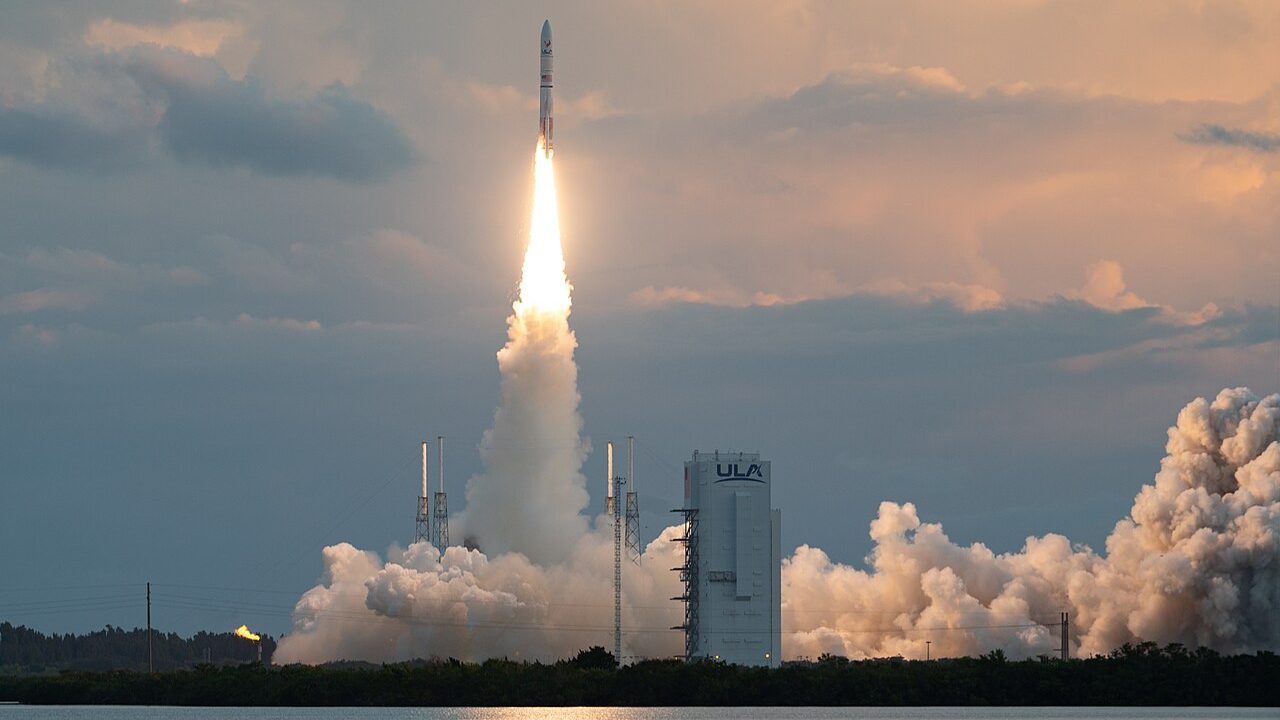
A Vulcan rocket failure on Sunday, Nov. 15, kept 40 Amazon Leo internet satellites from reaching orbit, United Launch Alliance said. The rocket lifted off at 12:40 p.m. EST from Cape Canaveral Space Force Station in Florida and had an anomaly about 10 minutes into the flight, according to the company. No injuries were reported.
What ULA has said about the Vulcan rocket failure
In a statement reported by Spaceflight Now, ULA said the Vulcan “suffered an anomaly 10 minutes into the flight and failed to deliver the Amazon mission to orbit.” The company said it “will work closely with our customer and other appropriate organizations to find the cause.”
Spaceflight Now reported that the flight was the first outright mission failure for ULA since the company was formed in 2006. It was the fifth flight of the Vulcan and its first in nine months.
NASA Administrator Jared Isaacman offered the agency’s help in a post on X. “The team at @NASA is available to assist in all matters related to the investigation and remediation effort,” he wrote, according to Spaceflight Now.
How the flight unfolded
The rocket launched from Space Launch Complex 41 with six Northrop Grumman solid rocket boosters and two BE-4 main engines, Spaceflight Now reported. The boosters burned out about 1 minute and 40 seconds after liftoff. Spaceflight Now reported that the first stage appeared to burn longer than planned and separate late, and that the Centaur upper stage then made unusual changes in orientation. The anomaly came during a planned burn of the upper stage about 10 minutes after launch, according to the outlet.
The launch had been delayed several times. A Friday attempt was scrubbed because of a problem with a nitrogen plant, a Saturday attempt was called off because of a network issue, and Sunday’s countdown was held at 20 seconds before the rocket flew, Spaceflight Now reported.
Earlier booster problems
The Vulcan had problems with the nozzles of its solid rocket boosters on flights in 2024 and in February 2026, according to Spaceflight Now. ULA chief executive Mark Peller told Aviation Week after the February flight, “We’ve identified three credible causes,” Spaceflight Now reported. The U.S. Space Force had paused national security launches on the Vulcan while those problems were reviewed.
It was not clear Sunday whether the latest failure is related to the earlier booster issues. ULA has not said what caused it.
What it means for Amazon Leo
Sunday’s flight was the first of 38 Vulcan launches Amazon bought for its Amazon Leo satellite internet network, according to Spaceflight Now. Amazon needs more than 3,300 satellites for the network, and this flight would have brought its total launched to 436, the outlet reported. Amazon has also booked 24 launches on Blue Origin’s New Glenn, 24 on Arianespace’s Ariane 6 and 13 on SpaceX’s Falcon 9, Spaceflight Now reported. New Glenn has been grounded since an explosion on its launch pad in May, according to the outlet.
Amazon and the Federal Aviation Administration had not commented on the failure in Spaceflight Now’s report.
Stay Current News also covered SpaceX’s catch of a Starship upper stage at its launch tower.
Photo: File photo of a Vulcan launch from Space Launch Complex 41. U.S. Space Force / Airman 1st Class Collin Wesson, public domain.