FACTS
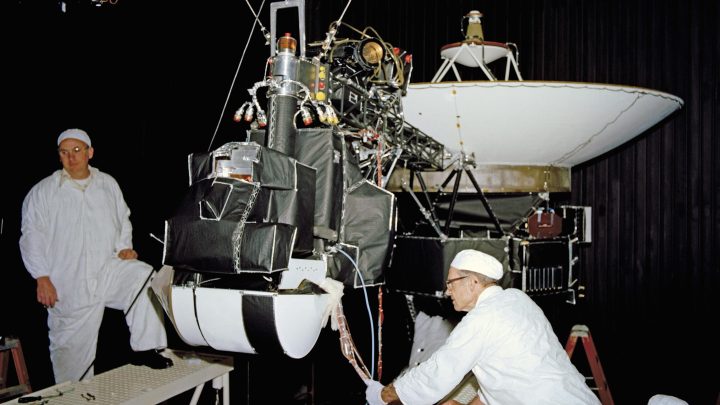
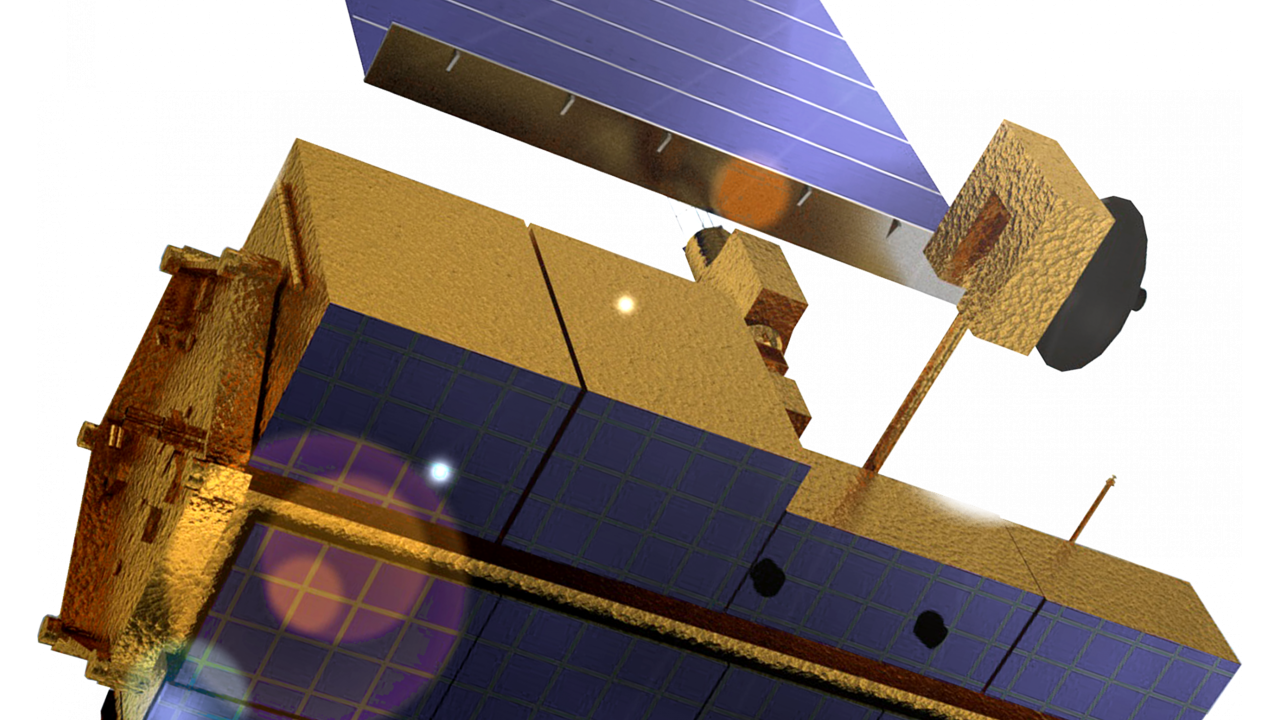
The NASA Terra mission will stop collecting science data on Dec. 1, ending 27 years of watching Earth from orbit, NASA announced on Tuesday, Nov. 17. The satellite was built for a six-year mission and has lasted more than four times that long. NASA said its systems are aging and its orbit is drifting.
How the NASA Terra mission will end
After science work stops, the Terra team will use the satellite’s remaining fuel to lower its orbit. All of its systems will then be switched off in January 2027, NASA said.
The data Terra collected will stay free and open to the public.
NASA calls Terra “a workhorse of the Earth Observing System,” the agency’s fleet of satellites that study land, oceans and air.
A long run in orbit
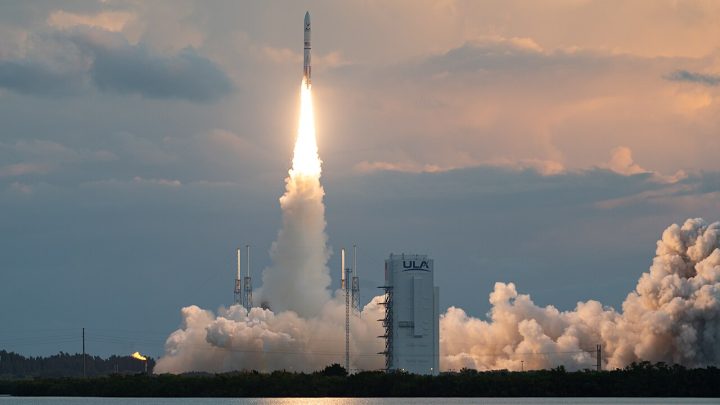
Terra launched on Dec. 18, 1999, from Vandenberg in California on an Atlas rocket, according to NASA’s Earth Observer. It flies about 438 miles above Earth and has completed more than 100,000 orbits. The United States, Japan and Canada worked together on the mission.
NASA stopped adjusting Terra’s orbit in late 2020. Since then, the time of day the satellite passes over the equator has slowly shifted, which affects how its data compares with older records.
Five instruments
Terra carries five science instruments:
- ASTER: takes detailed images used to map land temperature and elevation.
- CERES: measures how much energy Earth takes in from the sun and sends back to space.
- MISR: uses nine cameras pointed at different angles to tell clouds, smoke and dust apart.
- MOPITT: measured carbon monoxide in the lower atmosphere.
- MODIS: images nearly the whole planet in 36 bands of light.
MOPITT and parts of CERES and ASTER had already been shut off to save power, NASA said.
What Terra showed us
Over a quarter century, Terra tracked wildfires, the spread of dust and smoke, changes in land use, the makeup of the air and ice cover. NASA said its data helped guide decisions on public safety, farming and water.
MOPITT built the longest record of carbon monoxide ever taken from space. Terra data has been cited in more than 27,000 scientific papers, according to the Earth Observer.
What replaces it
NASA has told data users to move to similar products from VIIRS, an instrument on newer weather satellites, including NOAA-20, according to NASA Earthdata. Aqua, a sister satellite that also carries a MODIS instrument, is drifting as well.
See more science news.