Facts
- Respect Orders came into force across England and Wales on Monday, October 26, 2026, according to the UK government. They replace civil injunctions for adult offenders.
- Police and local councils can apply to a court for an order, as can other bodies such as housing association landlords and transport networks.
- An order can be made against a person who has engaged in, or threatened, conduct that has caused or is likely to cause harassment, alarm or distress.
- The government says an order can include bans from town centres, bans on drinking in public hotspots such as high streets and parks, unlimited fines, and community punishments such as curfews or unpaid volunteering.
- Orders can also require a person to address the causes of their behavior, such as drug or alcohol treatment or anger management courses.
- Breaching an order is a criminal offence. Police can arrest anyone who ignores its terms, and the maximum penalty is up to two years in jail, according to GOV.UK.
- Orders are uploaded to the Police National Computer so officers can check whether one is in place.
- Orders apply to people aged 18 and over. Under-18s can still receive an existing Youth Injunction.
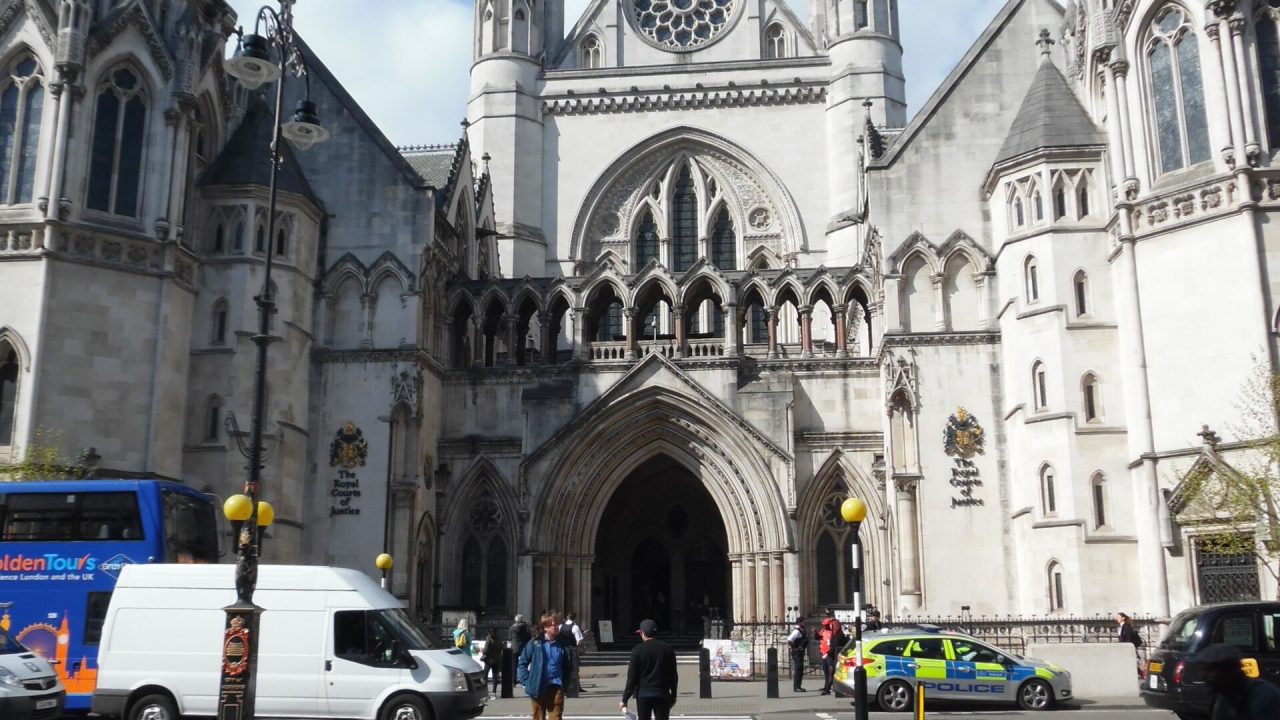
- The government’s factsheet says Respect Orders are issued by the civil courts.
- Critics have raised concerns about the design of the orders. A January 2025 opinion piece by the law firm Hodge Jones & Allen, written while the measure was still a bill, argued that a power of arrest would automatically attach and that orders could be imposed without a proven conviction. The firm also noted that the Home Office does not publish central data on such orders. Those points were made before the law took effect and describe the proposal as it then stood.
Quotes
Home Secretary Shabana Mahmood said: “Unchecked, anti-social behaviour blights our communities.”
Temporary Deputy Chief Constable Catherine Akehurst, the National Police Chiefs’ Council lead for anti-social behaviour, said: “This new tool will enable swift enforcement against prolific offenders.”
A Hodge Jones & Allen opinion piece on civil liberties argued: “Respect Orders will allow the imposition of possible criminal sanctions on the civil threshold.”
Source Read the UK government’s announcement here.
Image <a href="https://commons.wikimedia.org/wiki/File:Royal_Courts_of_Justice%2C_Strand_-geograph.org.uk-_5403555.jpg” rel=”noopener” target=”_blank”>Royal Courts of Justice, Strand – geograph.org.uk – 5403555 by David Hillas, licensed under CC BY-SA 2.0.