FACTS
Heavy fighting near a hospital in Congo’s Ituri province has disrupted the Congo Ebola response and forced World Health Organization staff and partners to shelter in a maternity ward for more than 24 hours, WHO Director-General Tedros Adhanom Ghebreyesus said Sunday, Nov. 22, 2026. He said the clashes were close to where the outbreak first emerged. The WHO says Congo has recorded more than 11,600 confirmed cases and more than 5,600 deaths.
This story follows Stay Current News’ Nov. 20 report that the Ebola outbreak in Congo passed 11,600 cases, with Tedros’ new statement on fighting in Ituri and the WHO’s Nov. 20 outbreak report.
What Tedros said about the Congo Ebola response
“Heavy fighting has been ongoing since yesterday in the vicinity of a hospital in Ituri, in an area close to where the Ebola outbreak first emerged,” Tedros wrote in a post on X, as quoted by the Indo-Asian News Service. “As a result, colleagues and response partners have been sheltering for their lives in a maternity ward of the facility for over 24 hours.”
He said the situation had disrupted the work of the hospital and the wider Ebola response, “putting patients, families and health workers at grave risk,” Reuters reported.
“Across Eastern DRC, frequency of attacks has increased since the end of October, seriously affecting the Ebola response,” Tedros wrote. He said the WHO is working with humanitarian partners “in touch with the parties in the conflict to arrange a safe exit for the team,” and called for the team’s immediate safe passage and for the hospital, its staff and patients to be protected. “The best medicine is peace,” he wrote.
Neither Tedros’ post nor the Reuters report named the hospital or the groups involved in the fighting.
Armed groups and the outbreak zone
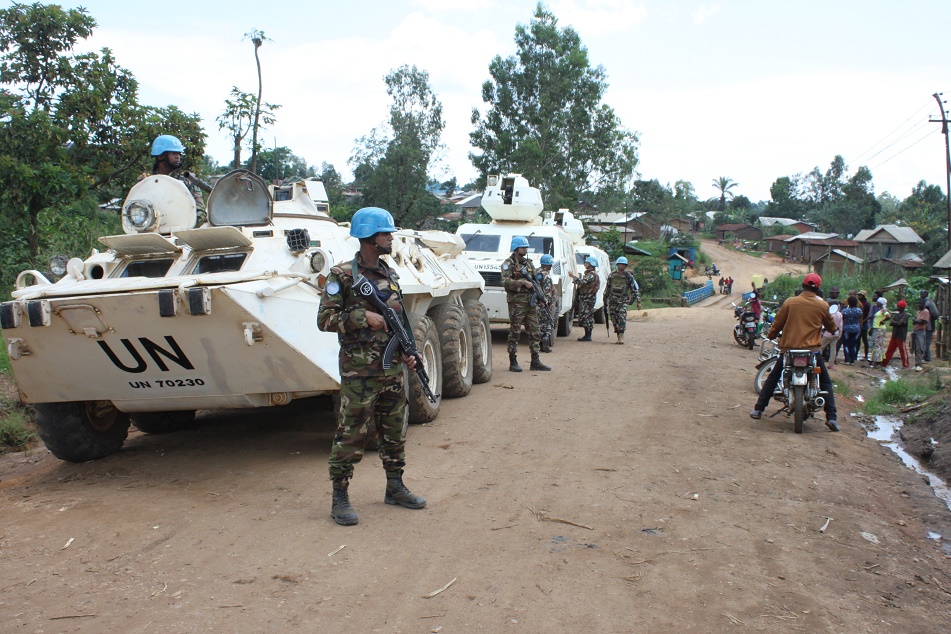
At a United Nations briefing in Geneva on Nov. 13, Julien Harneis, the UN’s senior Ebola response coordinator, said more people had been killed by fighters of the Allied Democratic Forces, an armed group, than by Ebola in recent days, UN News reported. He said attacks on “tens of villages” in southern Ituri and North Kivu were going “unnoticed.” “People are scared, people are furious at the lack of action on this,” Harneis said.
At the same briefing, the WHO condemned an attack in Cantine-Aloya, North Kivu, that killed 66 civilians, including three health workers, and in which three health facilities were looted, according to UN News. The UN News report did not say who carried out that attack. “We’ve seen so many attacks on healthcare, attacks on communities as well,” said Dr. Chikwe Ihekweazu, executive director of the WHO Health Emergencies Programme.
Latest Ebola case and death counts
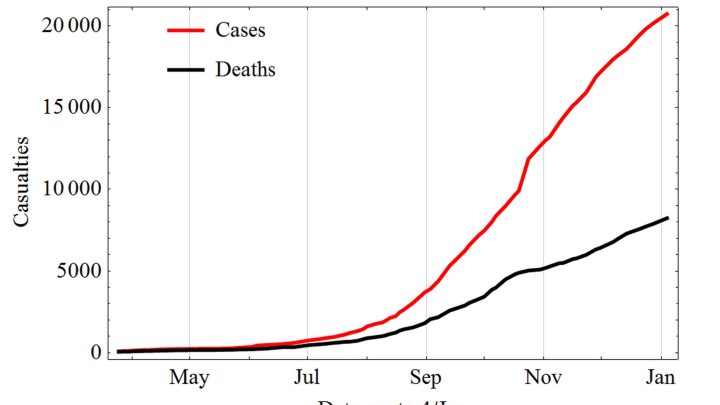
In its Nov. 20 outbreak report, with data through Nov. 17, the WHO counted 11,613 confirmed cases and 5,678 deaths in Congo, a fatality rate of 48.9%, and 3,148 recoveries. Ituri had 7,946 confirmed cases and 3,751 deaths, and North Kivu had 2,996 cases and 1,654 deaths. Cases have been reported in 68 health zones in eight provinces, and 48 of those zones had active spread in the previous 21 days, the WHO said.
The WHO said contacts of patients were followed up 81% of the time, below its 95% target, and called “rising insecurity” the “greatest obstacle to the expansion of operations.” The agency rates the risk in Congo as very high. On Nov. 18, Tedros determined that the outbreak remains a public health emergency of international concern, the report said.
The U.S. Centers for Disease Control and Prevention, in an update dated Nov. 20, listed 11,680 confirmed cases and 5,715 confirmed deaths in Congo as of Nov. 18. The CDC also listed nine cases and two deaths in Kenya, 20 cases and two deaths in Uganda, and one case each in Nigeria and France.
Speaking to the WHO’s emergency committee on Nov. 17, Tedros said 400 to 500 new cases are being reported each week, UN News reported. “But progress in some places is not control of the outbreak as a whole,” he said.
The outbreak, caused by the Bundibugyo type of Ebola, was declared May 15. There is no approved vaccine or specific treatment for it, according to the WHO.
Risk in the United States
The CDC says no cases from this outbreak have been reported in the United States and that “the overall risk to the American public and travelers remains low.” Travelers who were in Congo within 21 days may not board commercial flights to the U.S., and since Nov. 3 all international passengers flying to the U.S. must attest that they were not in Congo in the prior 21 days, the CDC says.
More health news is on the Stay Current News Health page.