Facts
- Opium poppy cultivation and opium production in Afghanistan rose sharply over the past year, the United Nations Office on Drugs and Crime (UNODC) reported on October 30, 2026, according to the Associated Press. It is the first significant increase since the Taliban’s 2022 narcotics ban.
- Cultivation rose 330%, from about 10,000 hectares (24,700 acres) to more than 43,000 hectares (106,000 acres) in 2026. Production rose 400% compared with last year, the AP reported.
- Both remain below levels before the ban, but this is the largest increase since the ban took effect, according to the report as described by the AP.
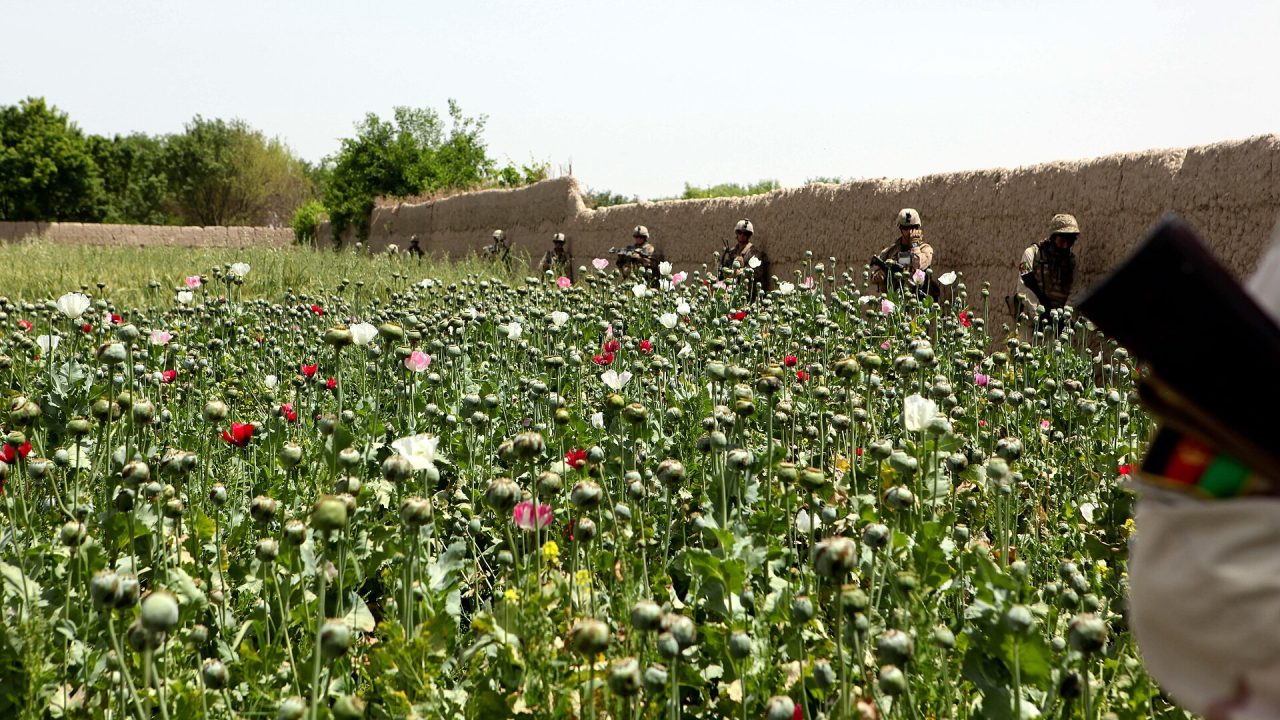
- UNODC attributed the rise to deepening poverty, which has pushed some farmers to grow opium clandestinely. Farmers hid small plots within cereal fields or inside walled compounds, the AP reported.
- The Taliban seized power in August 2021 and imposed the formal ban in April 2022.
- UNODC said it is too early to tell whether the increase is temporary or a sign of resurgence, and called for continued monitoring. It also called on the international community to support farmers so they rely less on illicit crops.
- The Taliban rejected the findings. It said the report did not accurately reflect the situation and overlooked the practical achievements of the fight against narcotics. The Taliban argued UNODC relied on ‘satellite images, estimates and incorrect information from biased groups.’
- The Interior Ministry said more than 26,000 hectares in cultivation provinces were cleared of narcotic-producing crops in 2026 and that assessments ignoring these efforts are incomplete, the AP reported.
- These figures come from the AP’s account of the UN report; the UNODC report itself was not available for this article.
Quotes
Monica Juma, UNODC executive director, said: “The fourfold increase in opium poppy cultivation shows the difficulty in sustaining decreases in illicit opium cultivation.”
Foreign Minister Amir Khan Muttaqi, speaking Tuesday, called the anti-narcotics fight one of the administration’s greatest achievements: “An effective fight against this phenomenon is a shared responsibility of both Afghanistan and the international community.”
Source Read the Associated Press report on CP24 here.
Image Afghanistan – Helmand Province, Poppy Fields 6, public domain.