FACTS
Japan GDP shrank slightly in the July to September quarter, according to preliminary figures from Japan’s Cabinet Office released Monday, Nov. 16. Real gross domestic product fell 0.02% from the previous quarter, or 0.1% at an annual rate, the first contraction in four quarters, Seoul Economic Daily reported. Household and government spending fell, while business investment rose.
Japan GDP compared with forecasts
The market research firm QUICK had forecast growth of 0.2% at an annual rate, according to Seoul Economic Daily. The Cabinet Office publishes the figures in its quarterly GDP estimates.
Where spending fell
Private consumption, about half of Japan’s economy, fell 0.3% from the previous quarter, its second straight decline, the newspaper reported. It said households spent less on household goods and food, including rice and snacks. Spending on clothing and lodging slowed after heavy rain and typhoons. Demand for air conditioners and cars also cooled after buyers moved purchases into the second quarter ahead of tax changes and new rules.
Government consumption fell 0.03%, its first decline in six quarters.
Where spending rose
Capital spending by businesses rose 1.6%, its first increase in three quarters, led by investment in servers and chipmaking equipment tied to artificial intelligence, Seoul Economic Daily reported.
Exports fell 0.2% as sales of research and development services declined. Imports rose 2.5%, their first increase in two quarters. The paper said crude oil imports had dropped sharply after the closure of the Strait of Hormuz but were largely replaced from other sources. Higher imports subtract from GDP.
What economists and the Bank of Japan have said
Real wages in September were 2.2% higher than a year earlier, the ninth straight monthly gain, according to data released Nov. 5, the newspaper reported. Reuters said the recovery remains uneven and that households are still exposed to persistent inflation, according to Seoul Economic Daily.
Markets widely expect the Bank of Japan to raise interest rates at its December meeting, the paper reported. Kazutaka Maeda, chief economist at Meiji Yasuda Research Institute, said consumption is weak largely because of rising prices and that the data supports a rate increase, according to the paper. Kento Minami, chief economist at Daiwa Securities, said the result is unlikely to change the central bank’s course because it is focused on inflation risks.
Bank of Japan board member Hajime Takata has said the bank should raise its policy rate to an “appropriate” level early, the paper reported. Ryosuke Katagi, a market economist at Mizuho Securities, said board members could disagree more if consumption stays weak, with some citing fragile spending to resist more increases.
Read more money news from Stay Current News.
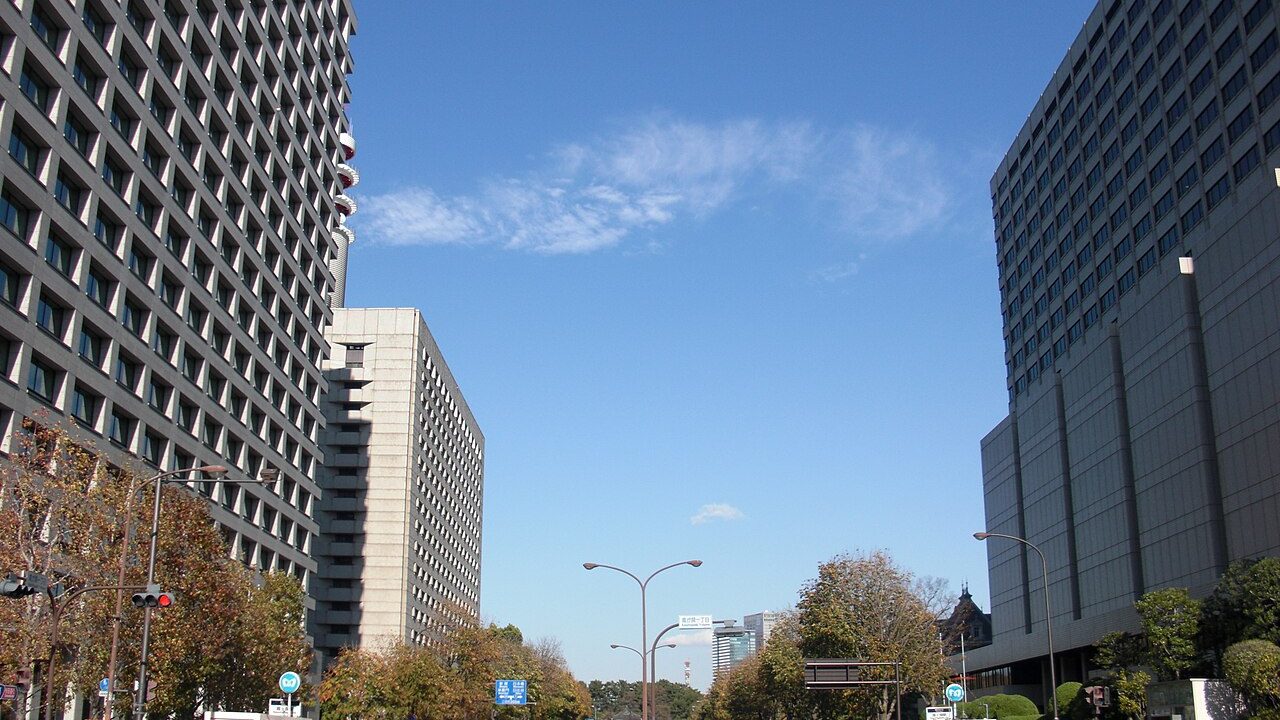
Photo: File photo of government buildings in the Kasumigaseki district of Tokyo. Miyuki Meinaka / Wikimedia Commons, public domain.