FACTS
BepiColombo, a joint mission of the European Space Agency (ESA) and the Japan Aerospace Exploration Agency (JAXA), entered Mercury orbit on Saturday, Nov. 21, 2026, after a trip of about eight years. ESA said Sunday that the thruster burn that slowed the spacecraft was shorter than planned because of a software issue, but that the spacecraft is safe. Teams at ESA’s operations center are working to understand what happened, the agency said.
How BepiColombo reached Mercury orbit
ESA’s operations team confirmed the capture after regaining contact with the spacecraft. “Flight Dynamics already has confirmed it achieved orbital capture around Mercury!” ESA Operations posted on Bluesky, according to EarthSky and WRAL.
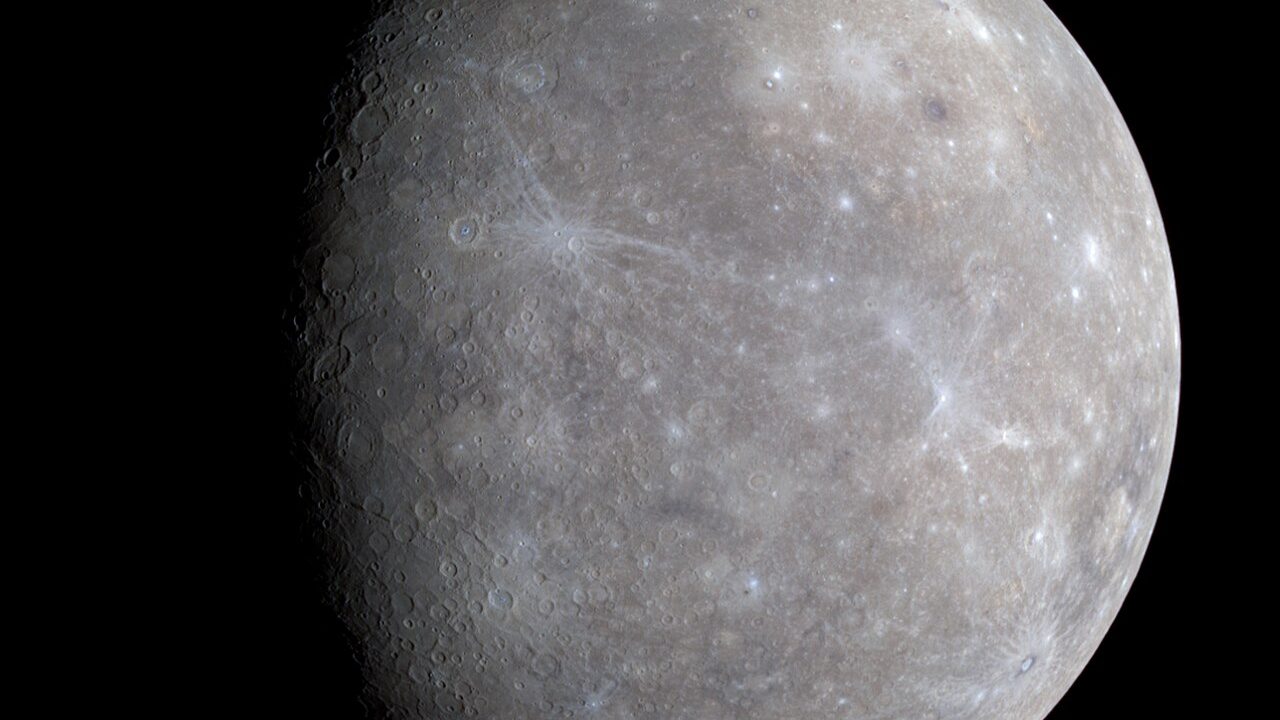
Under ESA’s plan, described on its mission animation page, four thrusters on ESA’s Mercury Planetary Orbiter fired as the stacked spacecraft approached Mercury’s south pole on the planet’s night side. The burn was meant to slow the spacecraft enough for Mercury’s gravity to capture it in a first, stretched orbit of about 590 by 11,640 kilometers (about 367 by 7,233 miles).
Software issue shortened the burn
“Yesterday, we confirmed BepiColombo’s successful capture into orbit around Mercury. During the manoeuvre, the thruster burn was shorter than planned due to a software issue,” ESA’s BepiColombo account posted on X on Sunday, according to Starlust. “The spacecraft is safe & teams at ESOC are working to understand what happened.” ESOC is ESA’s European Space Operations Centre.
ESA has not said how much shorter the burn was or what orbit the spacecraft is now in, The Register reported early Monday. ESA said it would share more information early this week.
Two orbiters, one spacecraft
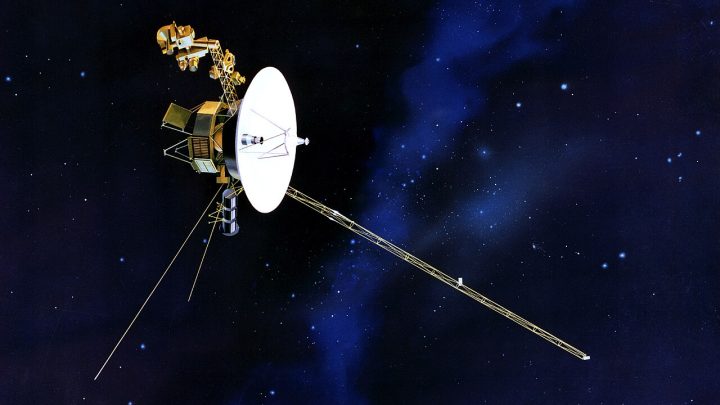
BepiColombo carries two science orbiters. ESA’s Mercury Planetary Orbiter will study the planet’s surface, composition and interior. JAXA’s Mercury Magnetospheric Orbiter, called Mio, will study Mercury’s magnetic field and how it interacts with the solar wind, AeroTime reported. For now, Mio rides inside a sunshield, and the European orbiter steers the stack.
ESA’s schedule calls for the two orbiters to separate on Dec. 9 to 10, 2026. The Mercury Planetary Orbiter is then to make more engine burns to reach its final science orbit by March 2027, and science work for both spacecraft is set to begin in April 2027, according to ESA. The European orbiter also carries Strofio, a NASA-built part of its SERENA instrument, The Epoch Times reported.
An eight-year trip to the innermost planet
BepiColombo launched Oct. 20, 2018, on an Ariane 5 rocket from Europe’s spaceport in French Guiana, WRAL reported. On the way, it made nine flybys: one of Earth, two of Venus and six of Mercury. A problem with the mission’s Mercury Transfer Module, the propulsion unit that carried the orbiters, pushed the arrival back by about a year, WRAL reported. That module separated from the orbiters on Sept. 3, 2026, ESA said.
BepiColombo is the second spacecraft to orbit Mercury. NASA’s MESSENGER orbited the planet from March 2011 until it crashed into the surface on April 30, 2015, according to WRAL. NASA’s Mariner 10 flew past Mercury in the 1970s, The Epoch Times reported.
ESA plans a media briefing on the arrival on Nov. 27 at the Science Museum in London, SpacePolicyOnline reported.
More science news is on the Stay Current News Science page.