FACTS
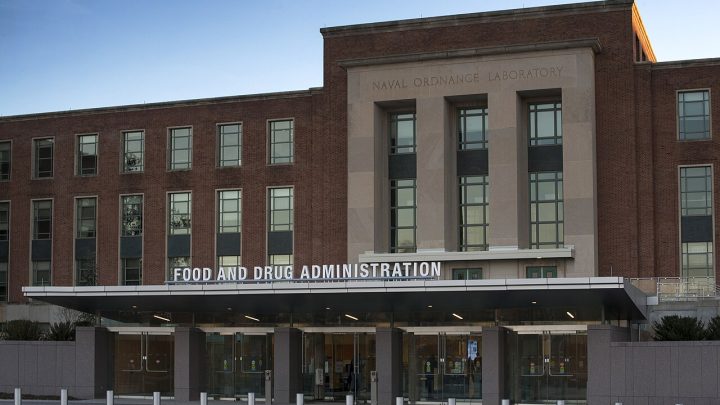
The U.S. Food and Drug Administration on Monday, Nov. 23, approved Wilserdly, a once-daily pill also called giredestrant, for adults with early-stage breast cancer that is estrogen receptor-positive and HER2-negative and at intermediate to high risk of coming back after surgery, the FDA said. The agency called it the first new hormone therapy for early-stage breast cancer in more than 20 years. Genentech, a member of the Roche Group, makes the drug.
The approval comes one week after the FDA cleared the same drug for some advanced breast cancers, which Stay Current News reported on Nov. 17.
Who the early-stage breast cancer approval covers
The approval covers adults with stage I, II or III disease, with Wilserdly taken by itself after surgery, according to the FDA’s approval notice. The recommended dose is 30 milligrams by mouth once a day for five years, or until the cancer returns or side effects become too severe, the agency said.
Women who have not completed menopause should also receive an additional hormone-suppressing medicine with Wilserdly, the FDA said. The agency estimates that 321,910 women and 2,670 men in the U.S. will be diagnosed with breast cancer in 2026, and that about 70% of cases are estrogen receptor-positive and HER2-negative. The FDA gave the application priority review.
Genentech describes Wilserdly as a selective estrogen receptor degrader, or SERD, a drug that blocks estrogen from binding to the receptor and breaks the receptor down.
Results from the lidERA trial
The FDA based the approval on the lidERA Breast Cancer trial, which randomly assigned 4,170 adults to Wilserdly or to standard hormone therapy, either tamoxifen or an aromatase inhibitor such as anastrozole, letrozole or exemestane, for up to five years, the agency said.
Wilserdly reduced the risk of invasive breast cancer coming back, or of death, by 30%, with 140 such events in the Wilserdly group and 196 in the standard therapy group, according to the FDA. The agency reported a hazard ratio of 0.70.
After three years, 92.4% of patients on Wilserdly were alive and free of invasive breast cancer, compared with 89.6% on standard therapy, or about 28 more patients per 1,000, the FDA said. Overall survival data were not yet mature. The FDA said lidERA was the first phase III trial to show a benefit with an oral estrogen receptor antagonist in early-stage breast cancer.
In the trial, 5.3% of patients stopped Wilserdly because of side effects, compared with 8.2% of those on standard hormone therapy, Genentech said.
Side effects and warnings
The most common side effects, seen in at least 10% of patients, included muscle and joint pain, hot flashes, tiredness, headache, nausea, slow heart rate, dizziness, and numbness or tingling in the hands and feet, according to the FDA. The label warns of a slow heart rate and of possible harm to a developing baby. Genentech said patients should avoid grapefruit and grapefruit juice while taking the drug.
What the FDA and Genentech said
“For patients with early-stage hormone-driven breast cancer, the goal after surgery is to keep the cancer from coming back,” said Dr. Angelo de Claro, director of the FDA’s Oncology Center of Excellence. He said the agency’s review looked at whether Wilserdly could lower that risk more than the hormone therapies patients already receive. “The evidence showed that it could,” de Claro said.
“Like many Americans, I have seen breast cancer affect my own family,” acting FDA Commissioner Kyle Diamantas said in the agency’s release.
“This FDA approval marks WILSERDLY as the first SERD approved for ER-positive early-stage breast cancer,” said Dr. Levi Garraway, Genentech’s chief medical officer.
Amber Guild, president and CEO of the patient group Susan G. Komen, said in Genentech’s release, “We are energized by what this new treatment option can offer patients.”
Genentech said the drug is expected to be available in the U.S. “in the coming days.” Its release did not give a list price. The company said commercially insured patients may pay as little as $0 through its co-pay program.
Earlier approval for advanced disease
On Nov. 16, the FDA approved Wilserdly with the drug everolimus for certain adults with advanced or metastatic breast cancer that has a mutation in the ESR1 gene, based on the evERA Breast Cancer trial, the agency said. That makes Wilserdly the only SERD approved for both early-stage and advanced breast cancer, according to Genentech and AJMC.
More health news is on the Stay Current News Health page.