FACTS
U.S. wholesale inflation reached 6.5% over the 12 months through October, the largest annual increase since November 2022, according to Producer Price Index figures released Friday, Nov. 13, by the Bureau of Labor Statistics. Producer prices rose 0.3% from September. The report followed a stronger-than-expected consumer price report and a rise in the 10-year Treasury yield above 5%.
What the October wholesale inflation report showed
Prices for goods sold by producers rose 0.5% in October, led by a 1.3% jump in food, according to the American Journal of Transportation, which cited the BLS release. Energy prices slipped 0.1%, and diesel fuel fell 7.9%.
Prices for services rose 0.2%, the fifth monthly increase in a row. Transportation and warehousing services rose 2.0% and made up about three-fourths of the services gain. Truck freight prices rose 3.9% in the month.
A narrower measure that leaves out food, energy and trade services rose 0.5% in October and 4.9% from a year earlier, Transport Topics reported.
“Transportation costs are the channel through which energy prices bleed through into core goods prices,” Carl Weinberg, chief economist at High Frequency Economics, wrote in a note quoted by Transport Topics.
Consumer prices also rose
The Bureau of Labor Statistics reported Nov. 10 that its Consumer Price Index rose 0.4% in October, after a 0.6% rise in September. Prices excluding food and energy rose 0.3%. Food rose 0.5%, energy 0.7% and shelter 0.3%.
The BLS said it could not publish 12-month changes for October because it did not collect October 2025 survey data during a lapse in federal funding that year. The next consumer price report is scheduled for Dec. 10.
Treasury yields climb
The yield on the 10-year Treasury note closed at 5.10% on Thursday, Nov. 12, up from 4.88% on Nov. 9, according to Treasury Department data. The 2-year yield rose to 4.86% from 4.56% over the same days. The 10-year yield is a benchmark for many long-term borrowing costs, including mortgage rates.
What the Federal Reserve has said
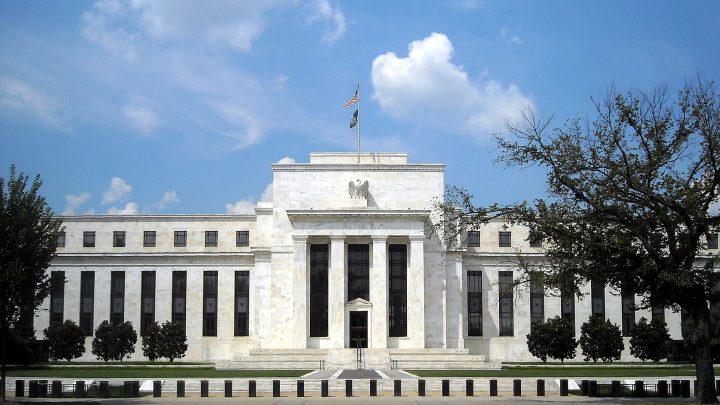
The Fed’s benchmark rate is in a range of 3.75% to 4%. The Fed held it there at its October meeting, when two officials voted for a quarter-point increase, Stay Current News reported. New York Fed President John Williams said Thursday that “the economy is strong, labor market continues to strengthen, and inflation is persistent,” according to Reuters, as published by KELO.
“We’ll need to take actions over time that will ensure that we get inflation back to our 2% goal,” Williams said. Reuters reported that he said more rate increases are likely but did not say when or how large.
Transport Topics reported that the Fed is widely expected to raise rates by a quarter percentage point at its Dec. 9 meeting.