FACTS
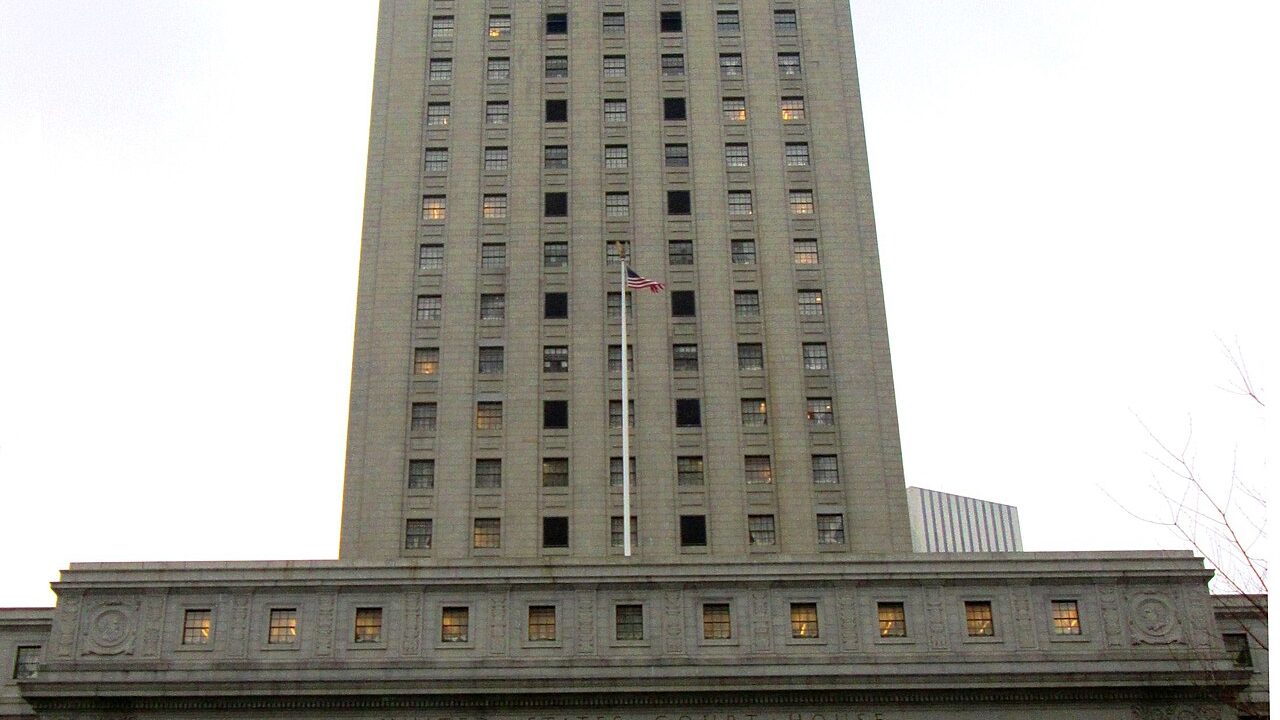
U.S. District Judge Jesse M. Furman of the Southern District of New York on Monday, Nov. 23, permanently barred the Trump administration from enforcing part of its ICC sanctions order against speech, ruling that it violates the First Amendment, according to the court’s opinion. The case was brought by Democracy for the Arab World Now (DAWN) and the Taxpayer Alliance Against Genocide (TAAG). Furman wrote that the provision “may not be enforced against anyone” with respect to speech-based services.
What the ICC sanctions ruling covers
The case, DAWN v. Trump, No. 26-cv-5957, challenges the “Services Prohibition” in Executive Order 14203, which President Donald Trump signed in February 2025. The provision makes it a federal offense to provide services to, or receive services from, people sanctioned under the order, which targets the International Criminal Court and people working with it. DAWN says violations carry up to 20 years in prison and up to $1 million in civil fines, Middle East Eye reported.
Furman declared the provision invalid to the extent it covers speech-based services and barred “all enforcement” of it for those services, according to the opinion. The ruling leaves the rest of the order in place. The government can still designate people for sanctions and can still penalize providing funds, goods or services that are not speech, such as financial services. The injunction does not apply to the president personally, and Furman gave the parties until Dec. 1 to file a proposed final judgment.
In October, Furman had issued a preliminary injunction that protected only DAWN and TAAG, The New York Times reported via The Boston Globe. The new ruling extends the protection to everyone. Furman reached a similar result in 2025 for two law professors in Rona v. Trump, and a federal judge in Maine did so in Smith v. Trump, according to the opinion.
The administration’s arguments
The government argued that the Services Prohibition regulates who receives a service, not what anyone says, so a lower standard of review should apply, according to the opinion. In the alternative, it argued the provision is narrowly tailored to compelling national security and foreign policy interests, citing findings by Congress and statements from the executive branch, and said less restrictive approaches had failed. It also asked the court to revisit its earlier rulings and argued that the Supreme Court’s 2025 decision in Trump v. CASA, which limited nationwide injunctions, barred relief for anyone other than the two groups.
Furman rejected those arguments. He wrote that the plaintiffs “demonstrate that the Services Prohibition is a content-based restriction on speech” and that the government’s evidence showed its objection to the court’s jurisdiction over U.S. and allied personnel but did not show why penalizing every speech-based service was needed. On the request to revisit earlier rulings, he wrote that “there is no merit to that request,” Middle East Eye reported.
The State Department said in October that it does not comment on pending litigation but that “The Trump administration has been clear: The ICC poses an intolerable threat to US sovereignty,” The New York Times reported. On Oct. 9, Secretary of State Marco Rubio announced sanctions on the court itself, saying “the United States and the American people are not subject to the jurisdiction of this fake ICC,” Al Jazeera reported.
What the plaintiffs said
“This landmark ruling dismantles a core part of Trump’s ICC draconian sanctions regime,” DAWN Executive Director Omar Shakir said in a DAWN statement. The groups’ lawyer, Joseph Pace, called the decision a major victory because it bars use of the sanctions against anyone’s First Amendment activity, according to DAWN. Anna Marie Stenberg of TAAG said the government cannot take away ordinary people’s right to seek justice.
DAWN said “every American has the constitutional right to advocate for justice on Palestine without fear of reprisal,” and both groups said they would resume their work with the ICC, Middle East Eye reported.
The opinion does not mention an appeal. DAWN noted in its statement that the government can appeal.
More political news is on the Stay Current News Politics page.