FACTS
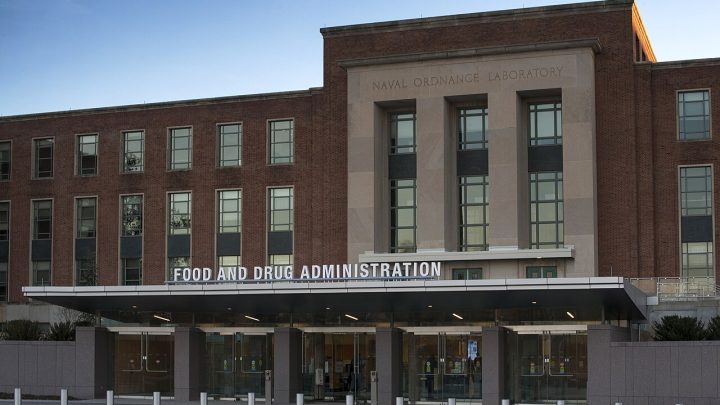
The U.S. Food and Drug Administration on Monday, Nov. 23, approved Welgemda (ribitol) to treat limb-girdle muscular dystrophy type 2I/R9, a rare inherited muscle disease, according to an FDA news release. “Welgemda is the first therapy approved for any form of limb-girdle muscular dystrophy,” the agency said. The oral drug is made by ML Bio Solutions and distributed by BridgeBio Pharma, and it is approved for adults and children who weigh at least 30 kilograms, or about 66 pounds.
What limb-girdle muscular dystrophy type 2I/R9 does
The disease, also called LGMD2I/R9, is caused by mutations in the FKRP gene, the FDA said. The resulting disruption weakens muscle cells, which break down over time and cause progressive weakness, difficulty walking and often impaired breathing. Symptoms usually appear in childhood or early adulthood and worsen over time, according to the agency.
BridgeBio said about 7,000 people in the United States and Europe live with LGMD2I/R9 and related conditions known as alpha-dystroglycanopathies. The FDA said the drug’s precise mechanism is not fully known but may involve increases in matriglycan, a natural sugar molecule that anchors a protein called alpha-dystroglycan in muscle tissue. Patients take Welgemda twice a day as an oral solution mixed with water.
Trial results
The approval rests on a randomized, double-blind, placebo-controlled trial of 112 patients with genetically confirmed LGMD2I/R9 who received the drug or a placebo for up to 36 months, the FDA said. At a planned interim analysis after 12 months, patients on Welgemda showed significant improvements over placebo in walking speed on a 100-meter timed test and in forced vital capacity, a measure of lung function, according to the agency.
BridgeBio, which calls the trial FORTIFY, said patients on the drug gained 0.27 meters per second in walking speed over placebo on the 100-meter test. Lung function improved by about 3% from baseline on the drug and declined by about 2% on placebo, the company said. Everyday Health reported that patients on Welgemda finished the 100-meter walk about 31 seconds faster than those on placebo after 12 months.
The most common side effects were gastrointestinal problems such as diarrhea and stomach pain, along with joint pain, the FDA said. BridgeBio said no patients stopped taking the drug because of side effects. Diarrhea was reported in 39.2% of patients on Welgemda and 52.6% of those on placebo, according to Everyday Health.
The drug had Orphan Drug, Fast Track and Rare Pediatric Disease designations, the FDA said. BridgeBio said the agency granted traditional approval, as opposed to accelerated approval, and issued the company a rare pediatric disease priority review voucher.
What officials, the company and doctors said
“Today’s approval is a historic milestone for patients and families living with limb-girdle muscular dystrophy,” Acting FDA Commissioner Kyle Diamantas said in the release. Dr. Laura Jawidzik, director of the FDA’s Division of Neurology 2, said, “The clinical data supporting Welgemda’s approval show meaningful improvements in walking speed and lung function, and we are encouraged by what that can mean for patients’ daily lives.”
“This is a transformative moment for the LGMD2I/R9 community,” said Christine Siu, chief executive of BridgeBio Neuromuscular. Sammy Brazzo, who lives with the disease and is an intern at the CureLGMD2i Foundation, said in the company’s release, “Most importantly, it also means hope for people living with LGMD2I/R9.”
Dr. Amit Sachdev, director of neuromuscular medicine at Michigan State University, told Everyday Health, “While the first treatment will not cure disease, it will spur continued innovation.” He also said, “The medicine will not help everyone, and it will cause side effects in some.”
Cost and availability
BridgeBio said it expects an immediate U.S. launch and offers a patient support program with insurance help and financial assistance. Everyday Health, citing STAT, reported that BridgeBio will charge insurers $75,446.58 for a 28-day supply, or just under $1 million a year. The drug is not approved outside the United States, and BridgeBio said it plans to apply to the European Medicines Agency in the first half of 2028, after the trial’s final 36-month analysis.
More health news is on the Stay Current News Health page.