FACTS
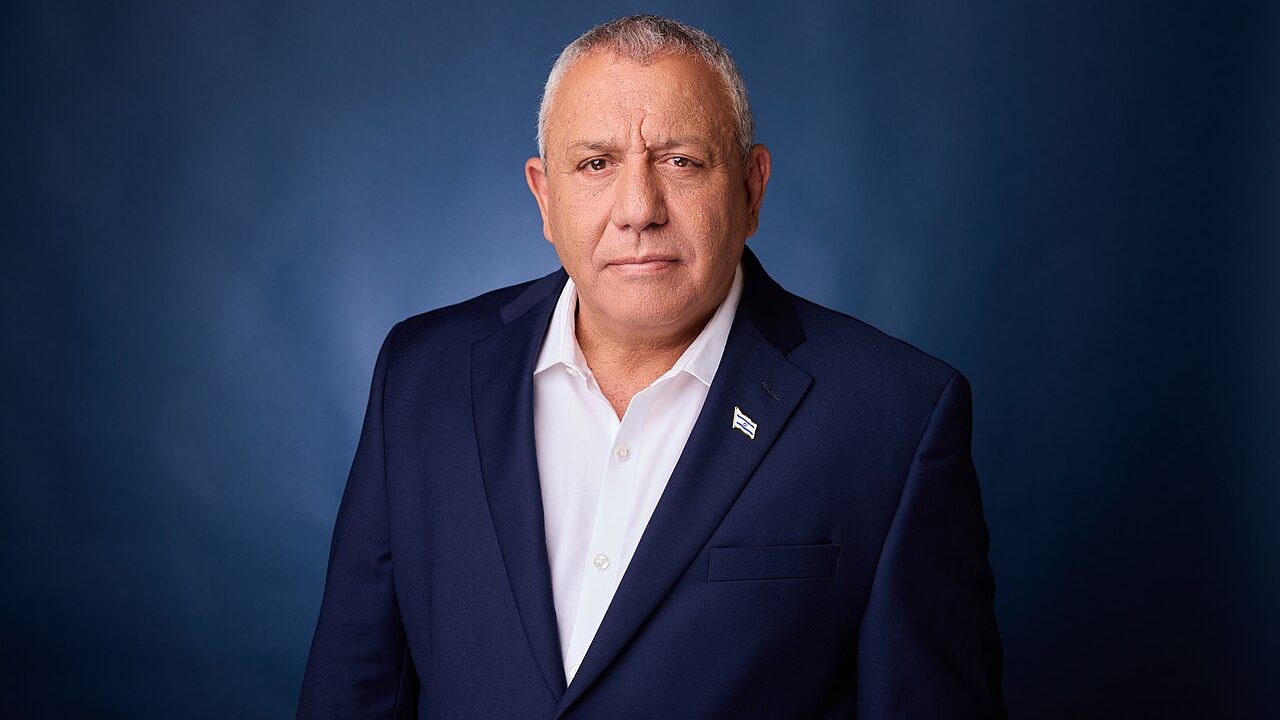
Gadi Eisenkot, leader of Israel’s centrist Yashar party, invited Prime Minister Benjamin Netanyahu’s Likud party to what Yashar called a “marathon” of coalition talks, with the first meeting set for Sunday, Nov. 22, according to The Jerusalem Post and Euronews. Eisenkot holds the mandate from President Isaac Herzog to form Israel’s next government after the Oct. 27 election left neither major bloc with a majority. He has until Dec. 6 to form a government and can ask for a 14-day extension, the Jewish Telegraphic Agency reported.
Why Gadi Eisenkot holds the mandate
Under Basic Law: The Government, the president consults representatives of every party in the Knesset after an election and then assigns the task of forming a government to one lawmaker, according to the law’s English text published by the Knesset.
In the Oct. 27 vote for the 120-seat Knesset, where a majority takes 61 seats, parties aligned with Netanyahu won 53 seats, the opposition bloc led by Yashar won 48, and Arab-led parties won a record 19 combined, Euronews reported.
In Herzog’s consultations, parties holding 67 seats recommended Eisenkot, including the 19 from Arab-led parties, while 46 recommended Netanyahu, according to The Times of Israel and the Jewish Telegraphic Agency. United Torah Judaism, with seven seats, recommended no one, The Times of Israel reported. Herzog formally gave Eisenkot the mandate on Nov. 8.
Deadlines and what comes next
The law gives the first candidate 28 days, which the president may extend by up to 14 days. If that candidate fails, the president can give the task to another lawmaker for 28 days or tell the Knesset speaker that no government can be formed. A majority of lawmakers can then ask the president in writing to assign the task to a named member, who gets 14 days. If no government is formed, the Knesset is treated as dissolved and new elections are held, according to the law and the Israel Democracy Institute.
The Times of Israel reported that Netanyahu could be given the next chance if Eisenkot does not succeed. Netanyahu serves as caretaker prime minister in the meantime, AFP reported via ABC News Australia.
What Yashar and Eisenkot say
In a statement Saturday, Yashar called the talks a “sincere and genuine effort to form a government that is as broad as possible” and said its negotiating team “will leave no stone unturned, enable bold moves,” Euronews reported.
In a post on Friday, Eisenkot wrote, “As for the talks with the Likud, we are making sincere and genuine efforts, but unfortunately there is a wide gap between rhetoric and actions,” according to Euronews. “All sides need to understand that I do not intend to drag this out,” he wrote, adding, “This is not a threat for negotiating purposes,” The Jerusalem Post reported.
Eisenkot has ruled out serving in a government led by Netanyahu but is open to working with Likud members, AFP reported. He has outlined three paths: a government backed by ultra-Orthodox parties, a unity government with Likud, or a “national emergency government,” which JTA said would likely be a minority government relying on votes from Arab-led parties without Arab ministers. He said he would put forward “a minority national emergency government for a parliamentary vote” if talks on a broad government fail, according to AFP.
What Likud says
Likud presented its terms Saturday, according to The Jerusalem Post. The party asked for an end to “all personal attacks and incitement” and to political “boycotts” against Netanyahu and the government, and for a joint declaration of a unity government of “all parties that support the existence of the State of Israel as the nation-state of the Jewish people,” which would leave out the Arab parties, Euronews reported.
Likud’s proposed guidelines include opposing a Palestinian state, keeping “security zones” in Syria, Lebanon and Gaza, and reaching a “broad agreement” with ultra-Orthodox leaders on military conscription, AFP reported. Netanyahu has repeatedly called for a unity government, according to the Post.
Other parties
Former Prime Minister Naftali Bennett, leader of the B’Yachad (Together) party, called for a “Zionist unity government headed by Eisenkot” and said his party “will not join him or his bloc under any circumstances,” referring to Netanyahu, AFP reported.
Democrats chairman Yair Golan has pushed for Arab parties to be included in the next government, a position Yisrael Beytenu chairman Avigdor Liberman opposes, The Jerusalem Post reported. Liberman has called a government backed by ultra-Orthodox parties “the only practical option,” according to JTA.
Likud and Yashar negotiators first met on Nov. 15, The Jerusalem Post reported. As of Sunday morning U.S. Eastern time, no outcome of the new round had been announced.
More world news: Stay Current News World coverage.