FACTS
The Ebola outbreak in Congo had reached 11,613 confirmed cases and 5,678 confirmed deaths in the Democratic Republic of the Congo as of Nov. 17, 2026, according to the U.S. Centers for Disease Control and Prevention. The head of the Africa Centres for Disease Control and Prevention, Jean Kaseya, said last weekend that the outbreak is “still not under control.” The World Health Organization says spread has slowed in several of the first areas hit.
This story updates Stay Current News’ Nov. 16 report that the Ebola outbreak in Congo is still not under control with the CDC’s Nov. 17 figures and new details on the virus.
Ebola outbreak in Congo: the latest figures
The CDC’s outbreak page, updated Nov. 19, counts 11,645 confirmed cases and 5,683 confirmed deaths across all affected countries. Besides Congo, those are Uganda with 20 confirmed cases and two deaths, Kenya with nine cases and two deaths, and one case each in Nigeria and France. The CDC notes that Congo’s official counts leave out probable and suspected cases.
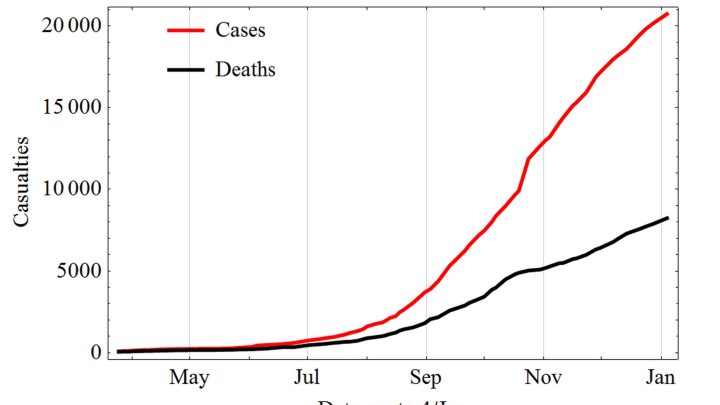
The figures have risen quickly. Congo’s health ministry reported 11,042 cases and 5,387 deaths on Nov. 11, The Associated Press reported. Health Minister Roger Kamba said Ituri province accounts for nearly 70% of cases and North Kivu is the main site of new spread, the AP reported.
The WHO’s most recent outbreak report, published Nov. 6 with data through Nov. 3, listed cases in 67 health zones in eight provinces. Ituri had 7,485 confirmed cases and 3,532 deaths at that point, and North Kivu had 2,593 cases and 1,422 deaths. The WHO said contacts were being followed up 86% of the time, below its 95% target.
What Africa CDC and the WHO say
Congo declared the outbreak on May 15, and WHO Director-General Tedros Adhanom Ghebreyesus declared it a public health emergency of international concern on May 17.
“We are all in agreement today to say that this outbreak is still serious, and is still not under control,” Kaseya told Reuters on Nov. 15. He said more than 80% of new cases came from outside known contact lists and more than 65% of deaths happened in communities rather than health centers. “If we don’t stop this outbreak now, it would be the worst Ebola outbreak that the world will have,” he said.
Kaseya called gaps in coordination between Congo and donors “a collective failure” and said, “We are not pointing fingers.” About $1.3 billion of $2.9 billion pledged by donors has been released, Al Jazeera reported.
Tedros has said transmission is slowing in several of the outbreak’s early centers and that vaccine trials are advancing, Al Jazeera reported. The WHO says at least 3,000 people in Congo have recovered and returned home.
What scientists are learning about Bundibugyo
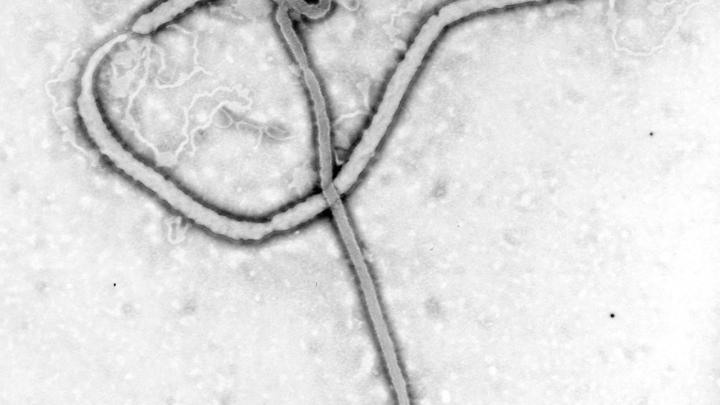
The outbreak is caused by Bundibugyo virus, a rare type of Ebola with no approved vaccine or specific treatment, according to the WHO. A trial of vaccine candidates, called Tumaini, began Oct. 23 with its first participants in Bunia, the WHO said.
Bleeding occurs in about 5% to 10% of confirmed cases, Yap Boum of Africa CDC told Reuters in an analysis published Nov. 20. That makes the disease easier to mistake for illnesses such as malaria, Reuters reported. Tests built for other Ebola species do not detect Bundibugyo, and genetic sequencing shows the virus is not changing quickly, according to the report.
Children under 5 account for 1,207 confirmed cases and 844 deaths, according to the latest Congo health ministry and WHO data cited by Reuters. Merck’s Ervebo vaccine, made for the Zaire type of Ebola, is being tested for cross-protection, and treatments from Gilead Sciences and Mapp Biopharmaceutical are being tested in Congo, Reuters reported.
Risk in the United States
No Ebola cases tied to this outbreak have been confirmed in the United States, and “the overall risk to the American public and travelers remains low,” the CDC said. People who were in Congo within 21 days may not board commercial flights to the U.S., and since Nov. 3 all international passengers flying to the U.S. must attest that they were not in Congo during that period, according to the CDC.
More health news is on the Stay Current News Health page.