FACTS
Flu activity in the United States is rising and is “higher than typically observed at this time of year,” according to the latest weekly report from the Centers for Disease Control and Prevention. The report, covering the week ending Nov. 7 and published Nov. 13, shows seven jurisdictions with high or very high flu activity, up from two the week before. CDC rates the season’s severity as low so far.
Where flu activity is highest
One jurisdiction was at very high activity and six were at high activity in the CDC report. The Associated Press reported that the seven states with high activity were California, Louisiana, Oregon, South Carolina, Tennessee, Texas and Washington, and that Louisiana has been hit hardest. Fox News reported that Louisiana was at the very high level.
About 11.3% of flu tests at clinical labs came back positive, and 3.2% of doctor visits were for flu-like illness, above the national baseline of 2.9%, according to CDC. Hospitals reported 9,584 new flu admissions that week.
CDC estimates there have been at least 2.6 million illnesses, 36,000 hospitalizations and 2,100 deaths from flu so far this season. Five children have died of flu this season, including two deaths reported in the latest week.
How this compares with last year
In the same week last year, about 2% of flu tests were positive and no jurisdictions were at high or very high activity, according to CDC’s report from November 2025. Hospitals reported 1,665 flu admissions that week. Becker’s Hospital Review reported that this year’s admissions were more than seven times the number in the matching week last season.
CDC cautioned that “an earlier increase in activity does not necessarily lead to a higher seasonal peak or greater overall severity.”
The strain behind the rise
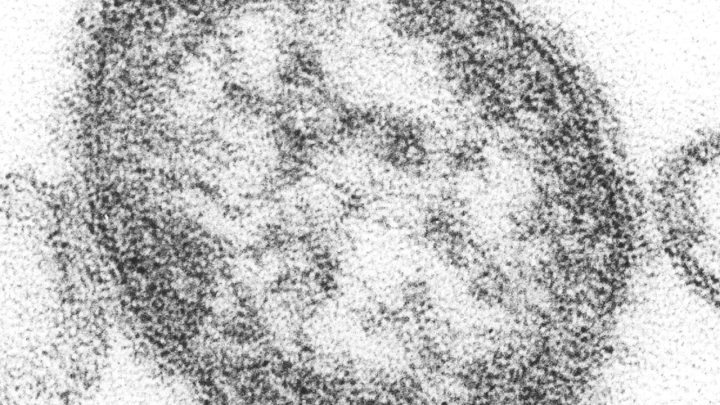
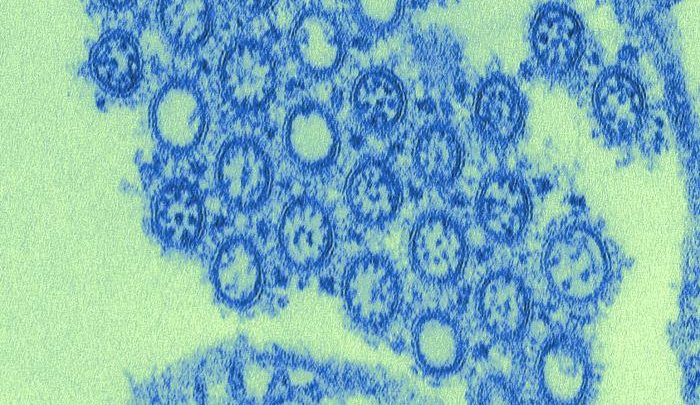
Almost all of the flu A viruses CDC tested, 98.9%, were the H1N1 strain, most from a group called subclade D.3.1.1. Last winter, an H3N2 strain was most common. AP reported that this season’s H1N1 virus has mutations that may help it get past immune defenses, and that officials say the current vaccine appears to recognize it.
“It is too early to know what viruses may predominate,” CDC said, according to CIDRAP, the University of Minnesota’s infectious disease research center.
Vaccines and treatment
CDC recommends a yearly flu vaccine for everyone 6 months and older, and it encourages people who have not been vaccinated this season to get the shot now. The agency says prescription antiviral drugs work best when started early, especially for people at higher risk.
“If you haven’t been vaccinated, you should get vaccinated now,” Dr. Fred Lopez, an infectious diseases specialist at LSU Health Sciences Center in New Orleans, told AP. Dr. Nicole Iovine, an infectious disease specialist affiliated with the University of Florida, told AP, “As we prepare to gather with family and friends over the upcoming holidays, getting vaccinated is especially important.”
More health news is on the Stay Current News Health page.