FACTS
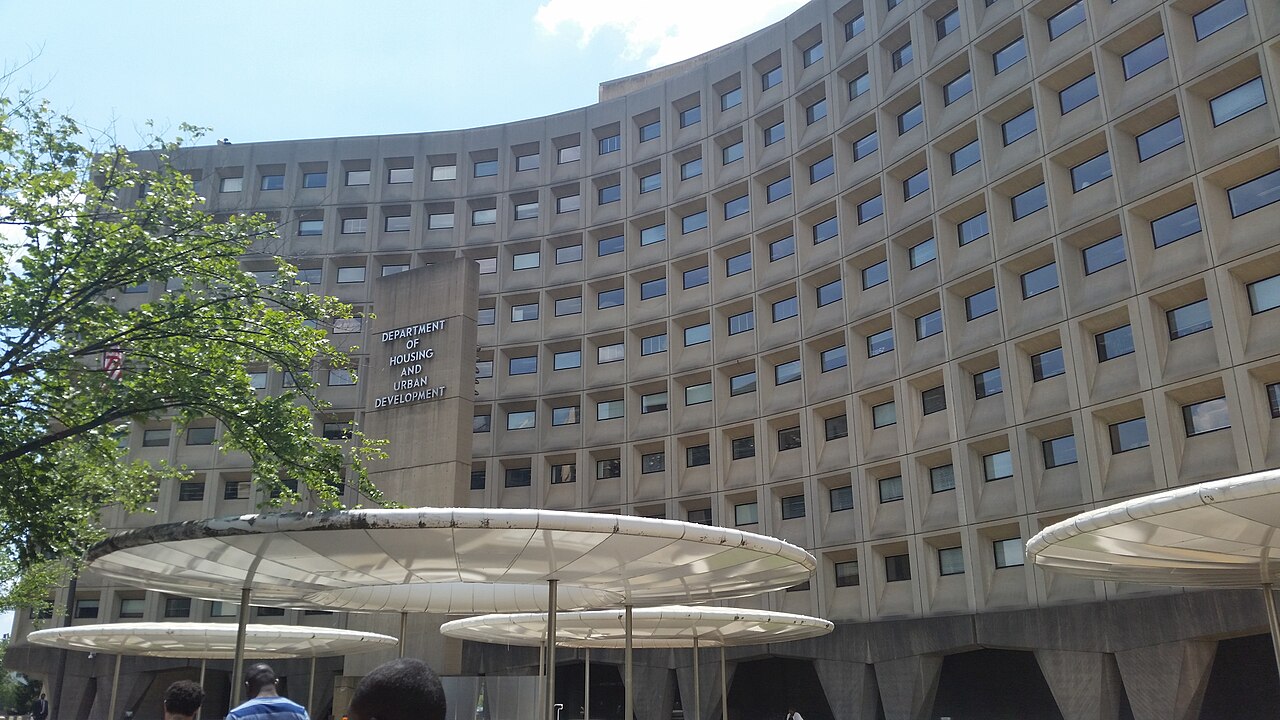
New York Attorney General Letitia James, 21 other attorneys general, including the District of Columbia’s, and Pennsylvania’s governor sued the U.S. Department of Housing and Urban Development on Monday, Nov. 23, to block its mixed-status housing rule. The rule, set to take effect Dec. 14, would end federal housing aid to any household in which a member lacks eligible citizenship or immigration status. The suit was filed in the U.S. District Court for the District of Massachusetts, according to the New York attorney general’s office.
What the mixed-status housing rule does
HUD announced the final rule, titled “Housing and Community Development Act of 1980: Verification of Eligible Status,” on Nov. 10, and it was published in the Federal Register on Nov. 12. It requires verification of U.S. citizenship or eligible immigration status for every applicant and tenant in covered programs, regardless of age, and removes an option that let some household members decline to claim eligible status. Prorated aid becomes temporary while every family member’s status is verified, the notice says.
Mixed-status families now receive prorated assistance based on the number of eligible members, and the new rule would end that, The Associated Press reported. Public housing authorities and private landlords would have to report tenants who fail verification to the Department of Homeland Security, the AP reported.
HUD’s reasons for the rule
HUD said the rule ensures that only U.S. citizens and certain eligible noncitizens live in HUD-funded housing, as federal law requires, according to its Nov. 10 announcement. The department said the rule follows President Donald Trump’s executive order “Ending Taxpayer Subsidization of Open Borders” and closes what it called loopholes that let ineligible people benefit through mixed-status households. HUD said an audit with DHS of all HUD-assisted households found nearly 200,000 tenants with incomplete or unknown eligibility verification. “American taxpayers will no longer foot the bill,” HUD Secretary Scott Turner said in the announcement.
In the Federal Register notice, HUD said a person without verified eligible status who lives in a mixed household receiving long-term prorated aid is benefiting from HUD assistance in a way that Section 214 of the 1980 law prohibits. HUD estimated that $167 million to $218 million in aid would shift from mixed families to fully eligible households.
“HUD’s final rule fully implements the 1980 Housing and Community Development Act and ends the exploitation of taxpayer dollars,” Turner said in a statement emailed Monday, the AP reported. “This rule guarantees ONLY AMERICAN citizens and certain eligible noncitizens will reside in HUD-funded housing.”
The states’ arguments
The attorneys general say the rule exceeds HUD’s authority under federal law, which they say expressly allows prorated assistance for mixed-status families, and that it is arbitrary and capricious under the Administrative Procedure Act. They ask the court to declare the rule unlawful, vacate it and block HUD from enforcing it against the plaintiff states, their local governments and their public housing authorities, the New York release said. New York, California and Massachusetts lead the suit, according to the Minnesota attorney general’s office.
Citing HUD’s own analysis, the attorneys general said about 20,000 mixed-status families, or 78,100 people, would lose assistance, including about 55,000 people who are fully eligible, most of them children.
“Everyone deserves a safe place to call home,” James said in the release.
California Attorney General Rob Bonta said about 7,000 households in California would be affected. “This rule is cruel, and it’s unlawful,” Bonta said, according to the AP.
Other lawsuits over the rule
The states’ suit follows two earlier federal lawsuits against the rule. On Nov. 19, the Legal Aid Society, with the National Housing Law Project and other groups, filed a proposed class action in the same Massachusetts court, according to the Legal Aid Society. The plaintiffs include the Massachusetts Union of Public Housing Tenants and three tenants identified only as Jane Doe, according to the complaint. The complaint says the rule violates the Administrative Procedure Act and the Fifth Amendment, and it also challenges HUD guidance on documentation. “Simply put, this rule is both unlawful and inhumane,” said Lucy Newman, a supervising attorney in Legal Aid’s public housing unit.
Last week, two Los Angeles housing groups, People Organized for Westside Renewal and Union de Vecinos, and three Los Angeles County residents sued HUD in the U.S. District Court for the Central District of California, Newsweek reported. That suit says the rule violates the Fair Housing Act, the Administrative Procedure Act and the Fifth Amendment, according to Multifamily Dive.
More U.S. news is on the Stay Current News U.S. page.