FACTS
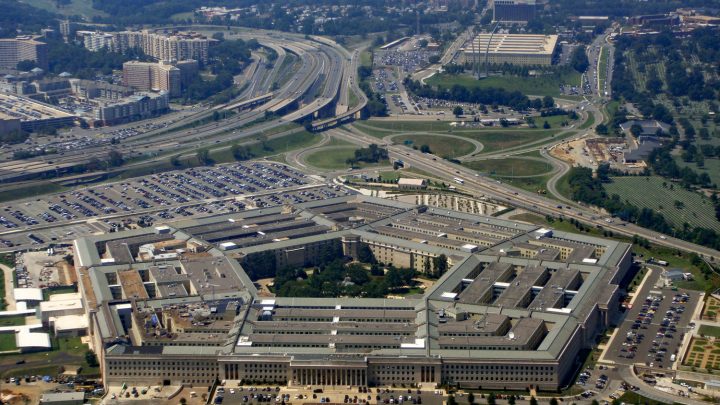
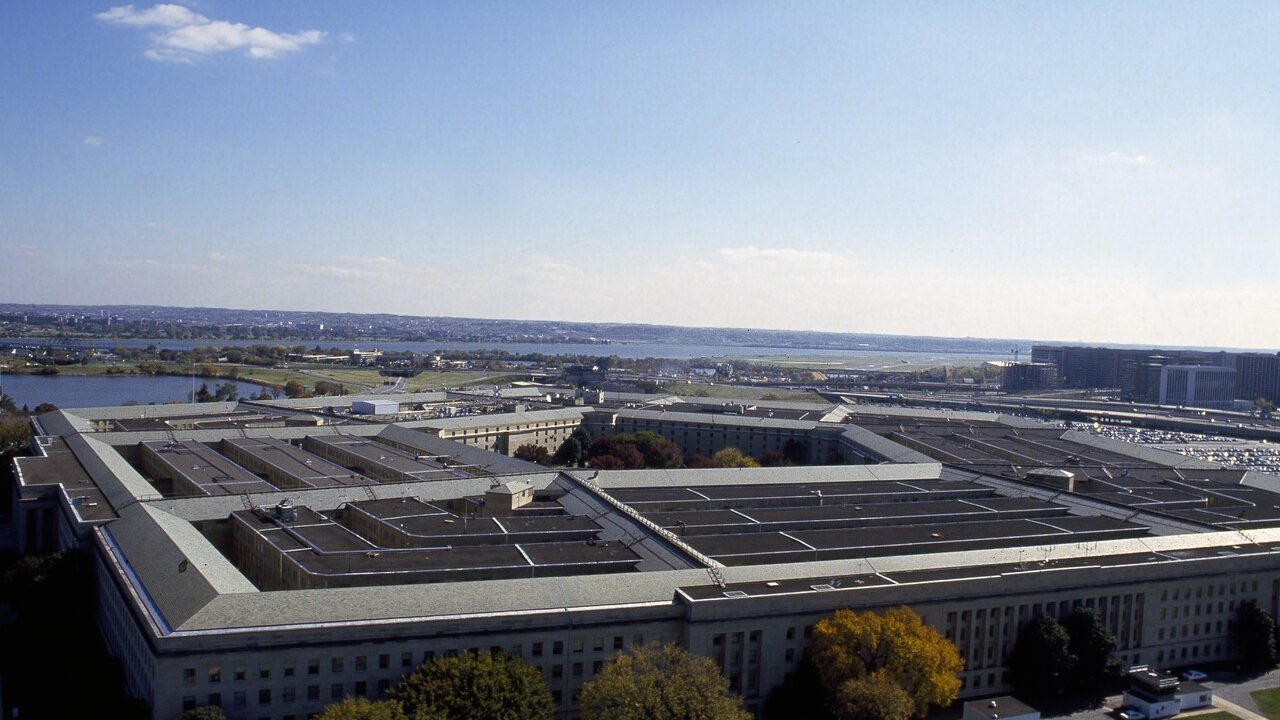
The Pentagon released a fact sheet on Monday, Nov. 23, saying Canada falls short as a credible partner in defending North America and lacks a fully costed plan to modernize its military, The Associated Press reported. The document lists what it calls Canada defense shortfalls, from equipment readiness to Ottawa’s review of its F-35 fighter jet purchase. Canadian officials responded that Canada has made large new defense investments and is on track to meet NATO’s spending goal.
What the Pentagon says about Canada defense shortfalls
“Canada’s defense shortfalls speak for themselves,” the two-page fact sheet says, according to the AP and TIME. “Canada must get serious and focused.” It also says, “Underinvestment in defense has atrophied the Canadian Armed Forces,” according to the AP.
The fact sheet says U.S. Defense Secretary Pete Hegseth is “laser focused” on Canada’s military modernization “after decades of American taxpayers footing the bill for its homeland defense,” TIME reported. It says Canada has no credible, fully costed plan to reach NATO’s target of spending 5% of gross domestic product on defense by 2035 and has put off its largest spending increases until after Canada’s 2029 federal election, according to the AP via PBS News.
The document cites Canadian figures for 2025-26 showing that 41.9% of the air force fleet and 53.9% of the naval fleet were serviceable and that army readiness stood at 48%, the AP reported. It also criticizes Ottawa’s review of its planned purchase of 88 U.S.-made F-35 jets, saying a mixed fighter fleet could worsen personnel shortages and create uncertainty for the North American Aerospace Defense Command, or NORAD, which the two countries run jointly, according to the AP. “Canadian political leadership continues to pursue unfocused global commitments,” the fact sheet says, according to CBC News.
Separately, chief Pentagon spokesperson Sean Parnell said the department “is taking steps to ensure its engagements with Canada advance tangible U.S. defense objectives,” TIME reported, after The Washington Post reported on Nov. 20 that Hegseth had circulated a classified memo limiting some military contacts with Canada. “This guidance does not impact defense intelligence cooperation,” Parnell said, adding that it does not affect NORAD or NATO cooperation, according to TIME.
Canada’s response
Simon Lafortune, a spokesperson for Canada’s defence minister, said in a statement that Canada has committed 81.8 billion Canadian dollars (about $56.9 billion U.S.) over five years to rebuild its armed forces and reached NATO’s 2% spending benchmark five years ahead of schedule, the AP reported. He said Canada is on track to meet NATO’s 5% goal by 2035 and is taking concrete steps to build the capabilities needed to reach it.
“As founding members of NATO, Canada and the United States have stood together in support of collective defense since 1949,” a spokesperson for Defence Minister David McGuinty told TIME on Tuesday. “Canada will continue to do its part to defend North America.”
Asked about the Pentagon’s criticism, McGuinty said, “Canada’s a sovereign nation. I’ll be very direct: We don’t report to the United States,” CBC News reported. McGuinty and Prime Minister Mark Carney have said that much will depend on NATO’s planned 2029 review of the 5% goal, according to CBC News.
Carney has acknowledged readiness problems, saying only one of Canada’s four submarines was seaworthy, and his government plans to buy up to 12 replacements, the AP reported. Carney ordered the F-35 review after taking office in 2025, and Canada has examined Sweden’s Gripen fighter as an alternative. “We should no longer send three-quarters of our defense capital spending to America,” Carney said in June, according to the AP.
Spending figures and earlier steps
Canada’s latest budget projects combined defense and security spending of 4.1% of GDP by 2027-28, with 2.6% for core defense, according to the AP. Canada’s Parliamentary Budget Officer has said the path to 5% remains “unclear,” TIME reported.
In May, Pentagon policy chief Elbridge Colby paused the Permanent Joint Board on Defense, a U.S.-Canada advisory body founded in 1940, the AP reported. At the time, Carney said he “wouldn’t overplay the importance of this” and that cooperation would continue through NORAD, according to Global News.
Republican Sen. Mike Rounds of South Dakota, speaking at the Halifax International Security Forum on Nov. 21, said of the reported Hegseth memo, “They’re basically limiting some social engagements,” according to TIME.
More world news is on the Stay Current News World page.