FACTS
The Environmental Protection Agency said Saturday, Nov. 28, 2026, that early lab results show no increase in lead in drinking water after the Army’s controlled Iowa lead azide detonation three days earlier. ABC News and the Associated Press both reported the finding.
This is an update to our earlier report: Iowa Lead Azide Detonation: Army Sets Off Nearly 5 Tons; EPA Reports No Airborne Lead.
What the new Iowa lead azide tests show
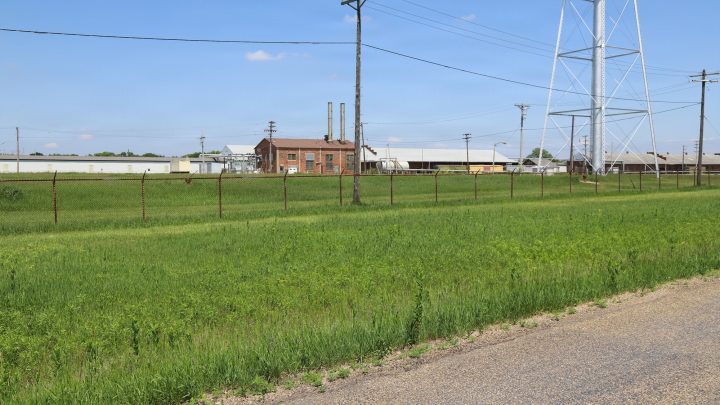
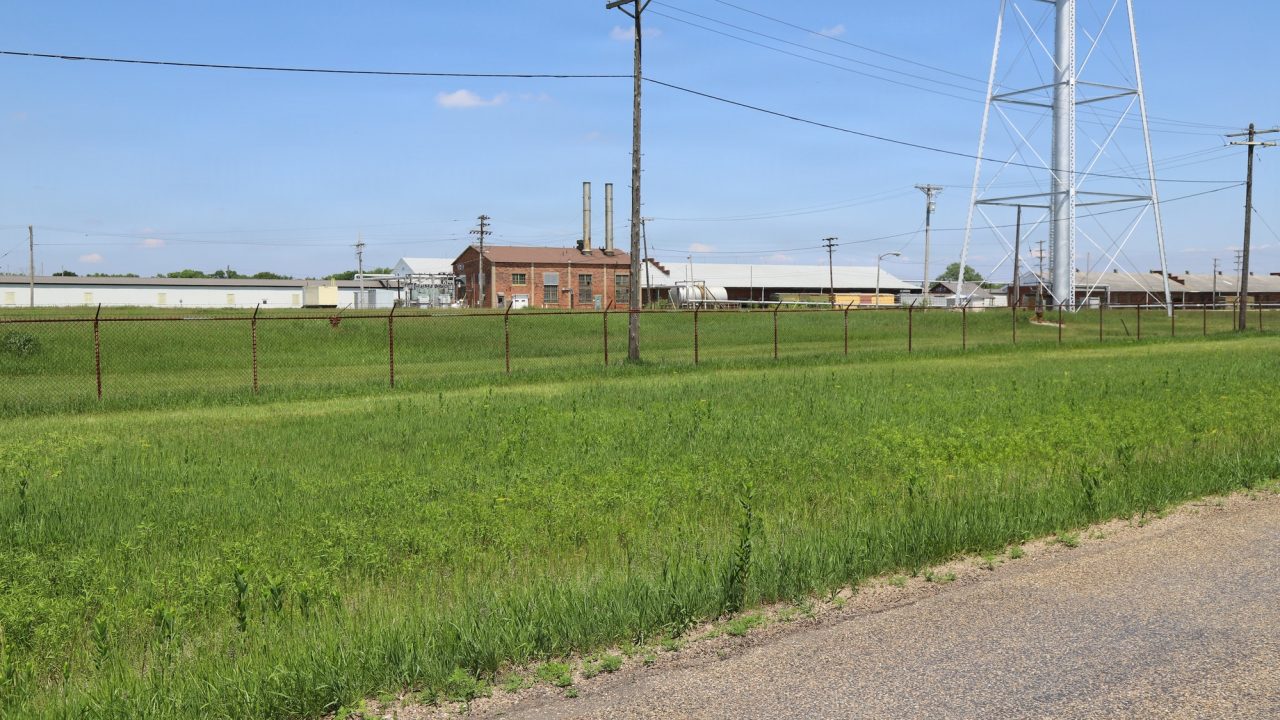
The EPA released a preliminary report on water conditions near the Iowa Army Ammunition Plant, which is near Middletown in southeast Iowa.
The agency analyzed 38 samples taken after the blast from public water supplies near the plant, ABC News reported. The samples included finished, treated drinking water and untreated water at the intake.
The AP described the result more broadly. It reported that early lab results show the detonation has not increased heavy metals in drinking water sources.
About 300 people collected more than 1,500 samples before and after the blast, according to the AP. Those figures cover the whole monitoring effort, not only the water samples.
What was already known
The EPA said Thursday that air tests in the 30 hours after the explosion found zero airborne lead, according to ABC News.
The Army detonated 68 barrels of lead azide on Wednesday, Nov. 25. The material had been stored at the plant for years, and nearly five tons were destroyed, ABC News reported.
Lead azide is an explosive compound used in detonators. The Army said in March that the stockpile had become unstable, and it said destroying the material in place was the safest choice because moving it risked an accidental detonation.
The plan drew concern from residents, environmental groups and medical groups, who worried about a plume of lead dust.
What testing remains
Soil sample tests are still under way, according to the EPA as cited by ABC News. The AP reported that the agency plans further testing.
The results released Saturday are preliminary. The EPA has not said when the final water and soil results will be published.
What residents should know
Federal officials recommended before the blast that nearby residents evacuate as a precaution. The reports reviewed for this story did not say whether any guidance remains in effect, so residents should check with local emergency management for the current status.
People who use private wells were not addressed in the figures reported Saturday, which covered public water supplies. Well owners with questions can contact their county health department about testing.
What is not yet known
It is not yet known what the soil tests will show or whether lead settled on land near the site. The EPA has also not said how long monitoring will continue.
More national news is on our U.S. page.