FACTS
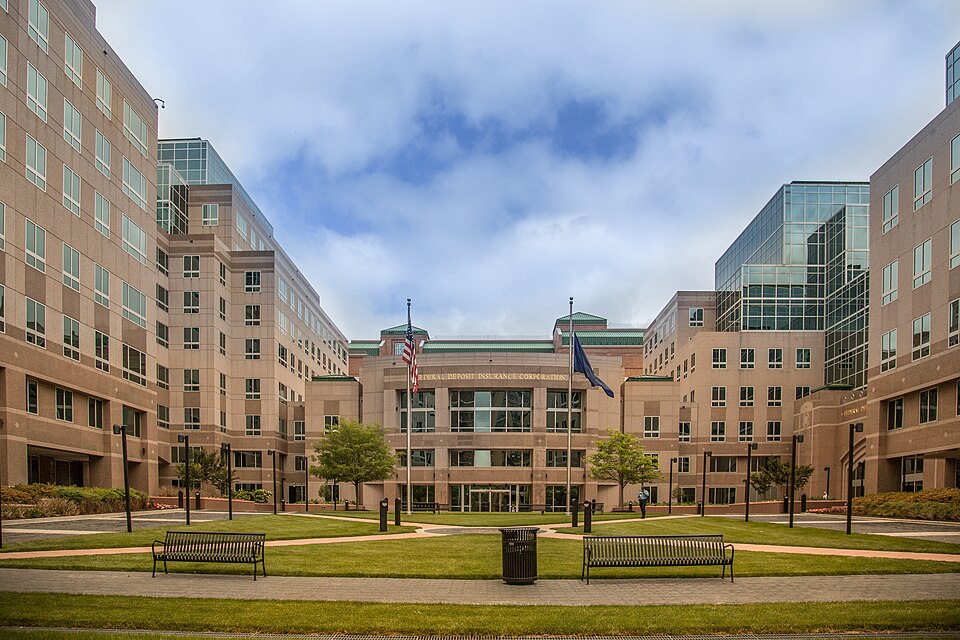
United Fidelity Bank, a federal savings bank based in Evansville, Indiana, was closed by regulators on Friday night, Nov. 27, 2026. The Office of the Comptroller of the Currency (OCC) shut the bank and named the Federal Deposit Insurance Corp. (FDIC) as receiver, and First-Citizens Bank & Trust Co. of Raleigh, North Carolina, agreed to take over substantially all of its deposits and assets, according to the FDIC.
The bank had about $5.9 billion in assets, American Banker reported. Newsweek and CNN described it as the largest U.S. bank failure in more than two years, since Republic First Bank of Philadelphia failed in April 2024 with about $6 billion in assets.
What United Fidelity Bank customers should know
Depositors keep their money. The OCC said depositors “will retain all of their funds and deposit insurance coverage,” according to Newsweek, and that customers should keep using their existing branches.
Regulators said customers could continue to write checks and use ATMs and debit cards over the weekend, Newsweek reported. The bank’s 22 branches were scheduled to begin reopening as First Citizens branches on Saturday during normal business hours.
Those branches include 20 in Indiana, Illinois, Colorado and Florida, plus two in the U.S. Virgin Islands that operate as Bank of St. Croix, according to American Banker.
One exception applies. The deal excludes certain brokered deposits, Newsweek reported, so customers who hold deposits placed through a broker should confirm the status of their funds.
The terms of the First Citizens deal
First Citizens agreed to assume about $4.5 billion in deposits and about $3.1 billion in loans, American Banker reported. Its bid included a $2.6 billion asset discount and no premium on deposits. The final figures depend on the closing balance sheet.
United Fidelity held about $5.4 billion in deposits at the end of September, according to Newsweek.
The FDIC estimated the failure will cost its Deposit Insurance Fund about $1.83 billion, both outlets reported. That is roughly a third of the bank’s assets. The fund is paid for by insurance premiums that banks pay, not by taxpayers.
First Citizens has about $241 billion in assets and has bid on about 20 failed banks since 2009, American Banker reported. It bought much of Silicon Valley Bank after that bank failed in March 2023. Newsweek quoted First Citizens chief executive Frank Holding Jr. as calling the transaction “both financially and strategically compelling.”
Why the bank was closed
The OCC said it found the bank in an “unsafe or unsound condition to transact business” and “likely to be unable to pay its obligations or meet its depositors’ demands in the normal course of business,” according to Newsweek.
Neither the OCC nor the bank has publicly detailed what caused the trouble, Newsweek reported.
American Banker noted that the bank had been under a Federal Reserve cease-and-desist order since June 2024 over management concerns. It also reported that the bank grew quickly, in part through affordable housing finance and the purchase of eight other banks since 2014. The publication did not say those factors caused the failure.
How it compares
United Fidelity is the seventh U.S. bank to fail in 2026, according to American Banker. Two banks failed in 2025 and two in 2024.
The FDIC considers the number of banks on its “problem” list to be within a normal range, American Banker reported.
The failure came hours after a strong day on Wall Street. Read our report on the shortened Black Friday trading session.
What is not yet known
Regulators have not explained the specific losses behind the closure. It is also unclear how many customers hold the brokered deposits left out of the sale.
Customers with questions can find the FDIC’s page for the failed bank on fdic.gov, where the agency posts information for depositors and borrowers after a closure.
More business news is on our Business page.