FACTS
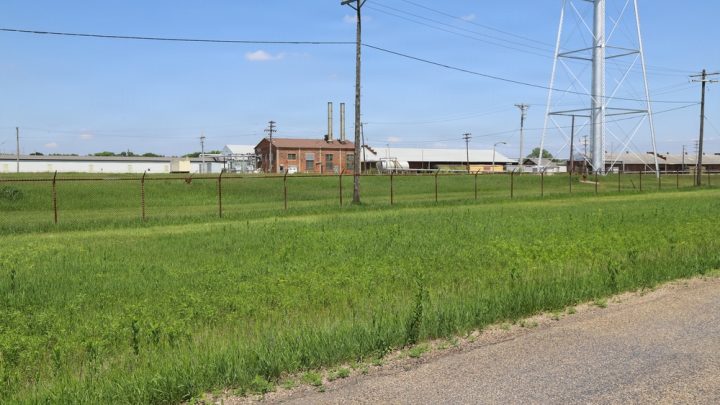
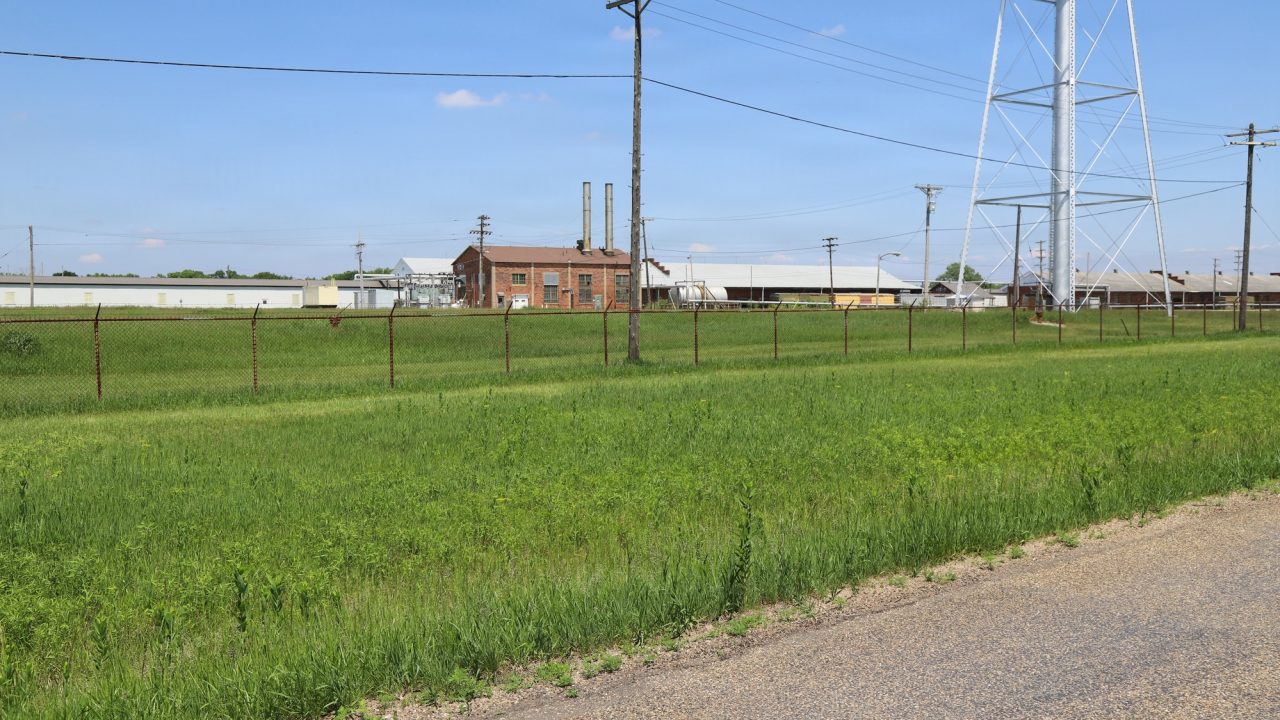
In the Iowa lead azide operation, the U.S. Army detonated nearly five tons of the explosive on Wednesday, Nov. 25, 2026, at the Iowa Army Ammunition Plant in Middletown, according to ABC News. The Environmental Protection Agency said Thursday that its real-time air monitors were reporting “ZERO detection of airborne lead.” Laboratory results on soil, water and dust samples are still pending.
Update to earlier reports: This story follows our Nov. 24 report, Army ruled out chemical neutralization of Iowa lead azide, and our Nov. 23 report, Trump orders Army to wait on Iowa lead azide detonation. The detonation described in those stories has now taken place.
What the Army and EPA said about the Iowa lead azide detonation
Two controlled detonations of 68 barrels went off at the same time at about 9 a.m. Central, the Army said, according to ABC. Acting Army Secretary Adam Telle put the amount at nearly 9,700 pounds. Mitigation included a waterwall, foam barriers and gel blocks. Maj. Gen. Eric Shirley, commanding general of the U.S. Army Sustainment Command, said the blast “exceeded expectations.”
ATF Director Robert Cekada said the blast went into the ground and followed a designed blast channel to limit atmospheric dispersion, ABC reported. Missouri Gov. Mike Kehoe said initial federal and state analysis indicated the mitigation measures “appear to have been successful.”
The EPA collected 1,591 air, water, soil and dust samples before the blast and more than 1,000 since, ABC reported. The agency expected to finish most air and water sampling Thursday, including a second round of drinking water tests. ABC reported that lab results from post-detonation samples were expected as early as Friday, and that the EPA will also test for volatile organic compounds and particulate matter. As of this writing, SCN has not found published lab results.
The Army’s latest guidance said surface deposition of hazardous material may cover a 148-square-mile zone outside the plant, ABC reported.
Residents and the legal fight
An Army advisory released Tuesday recommended that Middletown residents and people in surrounding areas evacuate “out of an abundance of caution,” with pregnant women, children under 6 and people with chronic illnesses specifically advised to leave, ABC reported. Evacuees will be notified by phone when the all-clear is given. Up to 100 Iowa National Guard soldiers helped with evacuations, including outreach to about 150 households. Gov. Kim Reynolds issued a disaster emergency proclamation for several counties, and the CDC activated an emergency response to support Iowa’s health department.
The Army said it found the material had become unstable eight months earlier and concluded that destroying it in place was the safest option. The detonation was first set for Friday and was postponed twice amid public concerns and a legal challenge, ABC reported. The Eighth Circuit Court of Appeals issued an administrative stay and then denied an emergency motion from the Iowa Environmental Council and Sierra Club Iowa Chapter, which let the operation proceed.
Shirley said at a Tuesday news conference, “Inaction is no longer an option.” Iowa Governor-elect Rob Sand, a Democrat, deferred to the federal operation but called for transparency. In a post on X on Wednesday he said the lead-up “should never have been so chaotic and unclear.”
More national coverage is in our U.S. section.