FACTS
The U.S. Army plans two controlled detonations of degraded lead azide at the Iowa Army Ammunition Plant in Middletown, Iowa, around noon on Friday, Nov. 20, 2026, according to an Army public advisory. The Army has asked residents of Middletown’s City Park neighborhood to leave from 8 a.m. to 2 p.m. and says the lead azide detonation will send up a dust plume containing lead. Several area school districts, including Burlington and Mediapolis, have canceled Friday classes, KWQC reported.
What the Army says about the lead azide detonation
Army spokesperson Justine Barati told Iowa Public Radio that nearly five tons of lead azide, an explosive used in detonators, are stored in an ethanol and water solution in two underground concrete containers, and that the tanks were found too dry this year, with the material forming crystals. “When it crystallizes, then it becomes very volatile,” Barati said.
The U.S. Environmental Protection Agency issued the Army an emergency permit on Nov. 13 to treat the waste by detonating it in place. The EPA notice says recrystallization made the material more sensitive to friction and shock, so disturbing the containers could set it off. Barati said experts found detonation in place was the safest option.
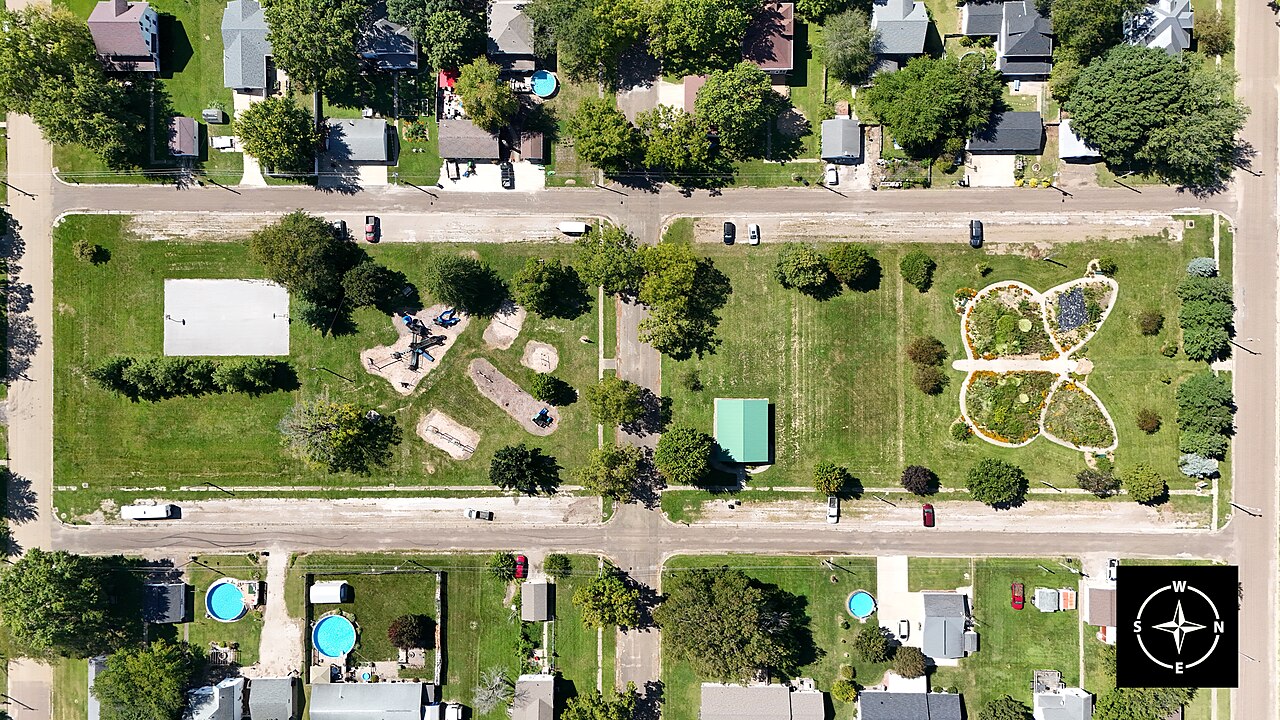
The Army’s advisory says the blasts could break windows nearby, which is why it recommends the City Park neighborhood leave, and it is opening the Armed Forces Reserve Center in Middletown as a relocation site. It says crews are wetting the soil and air monitors will run during the blasts. Barati told KWQC that “the majority of lead, since lead is a heavy metal, will stay in that location.”
Where the lead dust could go
Tri States Public Radio reported that the plant’s modeling shows airborne lead is possible across an area up to 20 miles wide, from Burlington to north of the Quad Cities. Barati told Iowa Public Radio that fine particles could reach as far north as Maquoketa. The Army says the maps will change with the weather and be updated hourly before the blasts.
The Army advises people in the affected area to stay indoors with windows and doors closed. It says children, pregnant people and older adults should avoid outdoor activity there.
Lead cleanup: what the Army and health agencies say
The Army says to wait until it announces that the exposure period has ended before cleaning. After that, its advisory says people may consider cleaning indoor and outdoor surfaces such as play areas and windowsills. Barati told KWQC residents can “spray that area down with a garden hose, use a wet rag, use a baby wipe.” She told Iowa Public Radio, “all they have to do is hose that off.”
The EPA’s general guidance for reducing lead at home says to wet mop floors, wipe hard surfaces such as windowsills with a damp cloth, use only vacuums with HEPA filters and not dry sweep. The EPA and the Centers for Disease Control and Prevention say to leave shoes at the door and wash children’s hands, toys and pacifiers often. The EPA also says to wipe pets’ fur and paws after they have been outside.
KWQC reported that lead does not break down naturally, so contaminated soil can remain a problem long after the blast. The EPA’s guidance on cleaning up wildfire ash, which it says can contain lead, says to avoid washing ash into storm drains, use as little water as possible and mist hard surfaces before sweeping. For soil, the EPA advises keeping children off bare soil, covering it with mulch or plants, growing food in raised beds with clean soil, washing produce, peeling root crops and having soil tested by a qualified laboratory. KWQC reported that residents can volunteer for soil testing after the blast.
The EPA says lead is especially dangerous to children under 6 and can pass from a pregnant woman to a fetus. The CDC and Iowa Health and Human Services say a blood test shows whether a child has been exposed, and the CDC says to talk with a child’s health care provider. “Maybe the most concerning thing is, say, 2-year-olds that just have this habit of, right, of touching everything,” Patrick O’Shaughnessy, a University of Iowa professor and environmental health expert, told KWQC.
Protest and residents
A peaceful protest is planned Wednesday from 3 to 7 p.m. at the Armed Forces Reserve Center, KCRG reported. Organizers want the detonation halted until communities can review the risks, plus independent testing and cleanup at no cost to residents.
Barati told Iowa Starting Line, “I understand that it’s shocking to the people that we haven’t told before,” and said the five days’ notice meets the EPA permit. Former Middletown Mayor Eric Gerst, who lives about 5,000 feet from the site, told the outlet, “I want it gone.”
More national news is in the Stay Current News U.S. section.