FACTS
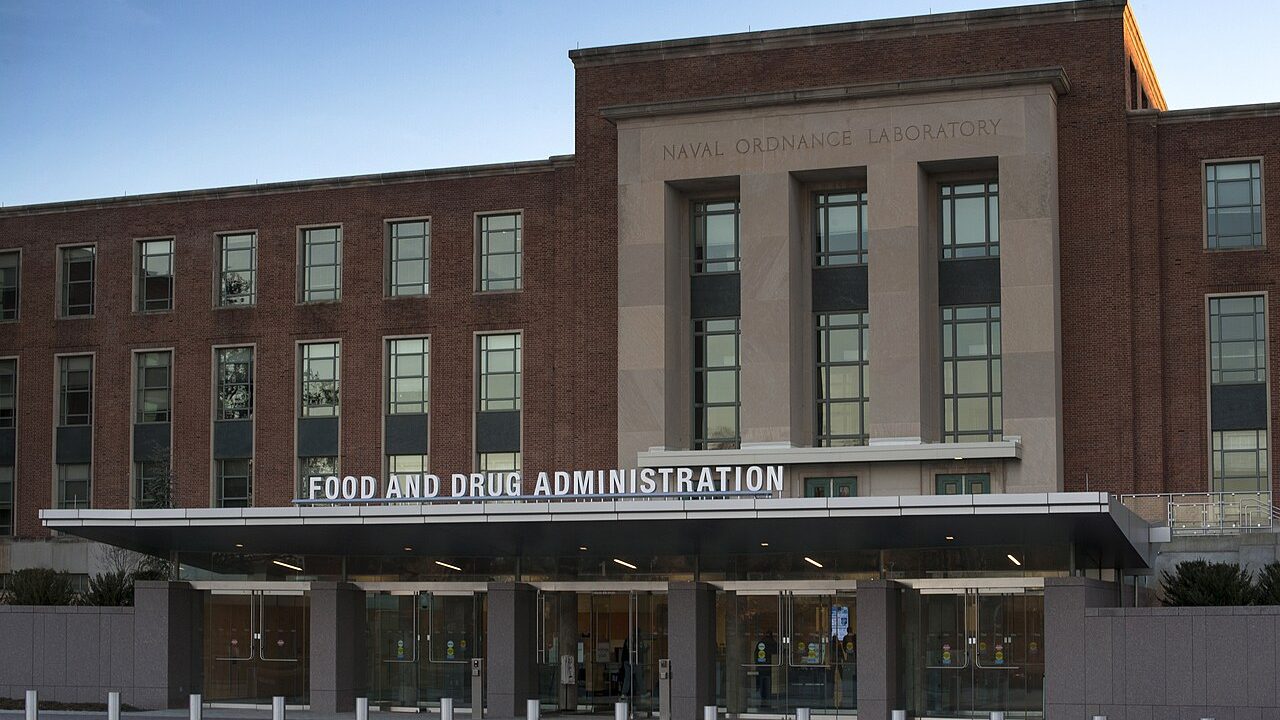
The U.S. Food and Drug Administration on Monday, Nov. 16, approved giredestrant, sold as Wilserdly by Genentech, for use with the drug everolimus in some adults with advanced breast cancer, the agency said. The approval covers estrogen receptor-positive, HER2-negative breast cancer with a mutation in the ESR1 gene. The FDA also authorized a blood test to detect the mutation.
Who the giredestrant approval covers
According to the FDA, the approval is for adults whose ER-positive, HER2-negative, ESR1-mutated breast cancer is locally advanced or has spread, as detected by an FDA-authorized test. Their disease must have come back during or after hormone-based therapy given after surgery, or have progressed on at least one hormone-based treatment for metastatic disease.
The FDA authorized the FoundationOne Liquid CDx assay as a companion diagnostic to identify patients with the mutation.
Genentech describes giredestrant as an oral drug that blocks estrogen from binding to the estrogen receptor and helps break the receptor down, according to a company release from February. Up to 40% of people with ER-positive disease have ESR1 mutations after treatment with a class of drugs called CDK4/6 inhibitors, Genentech said.
Results from the evERA trial
The FDA based the approval on the evERA Breast Cancer trial, which randomly assigned 373 patients to receive giredestrant with everolimus or a hormone therapy chosen by their doctor with everolimus. Of those patients, 207 had ESR1-mutated tumors, the agency said.
In patients with the mutation, the median time before the disease worsened, known as progression-free survival, was 10 months with giredestrant and 5.5 months in the comparison group, according to the FDA. The agency reported a hazard ratio of 0.38.
Tumors shrank in 27% of patients in the giredestrant group and 14% in the comparison group, the FDA said. Overall survival data were not yet mature at the time of the analysis.
Side effects and dosing
The most common side effects, seen in at least 20% of patients, were mouth sores, rash, fatigue, diarrhea, musculoskeletal pain, lung inflammation known as pneumonitis, and nausea, according to the FDA. The drug’s label includes warnings about a slow heart rate and possible harm to a developing fetus.
The recommended dose is 30 milligrams taken by mouth once a day, with or without food, until the disease progresses or side effects become unacceptable, the FDA said.
Approval came ahead of schedule
When the FDA accepted Genentech’s application in February, the company said the agency’s target date for a decision was Dec. 18, 2026. Genentech has also said the FDA accepted a separate application for giredestrant in early-stage ER-positive breast cancer.
Breast cancer is diagnosed in about 2.3 million women worldwide each year, and ER-positive disease accounts for about 70% of cases, according to Genentech.
More health news is on the Stay Current News Health page.